

Nioh 3 - Bakumatsu era revealed!
Date: 2025-11-21 14:03:57
[p]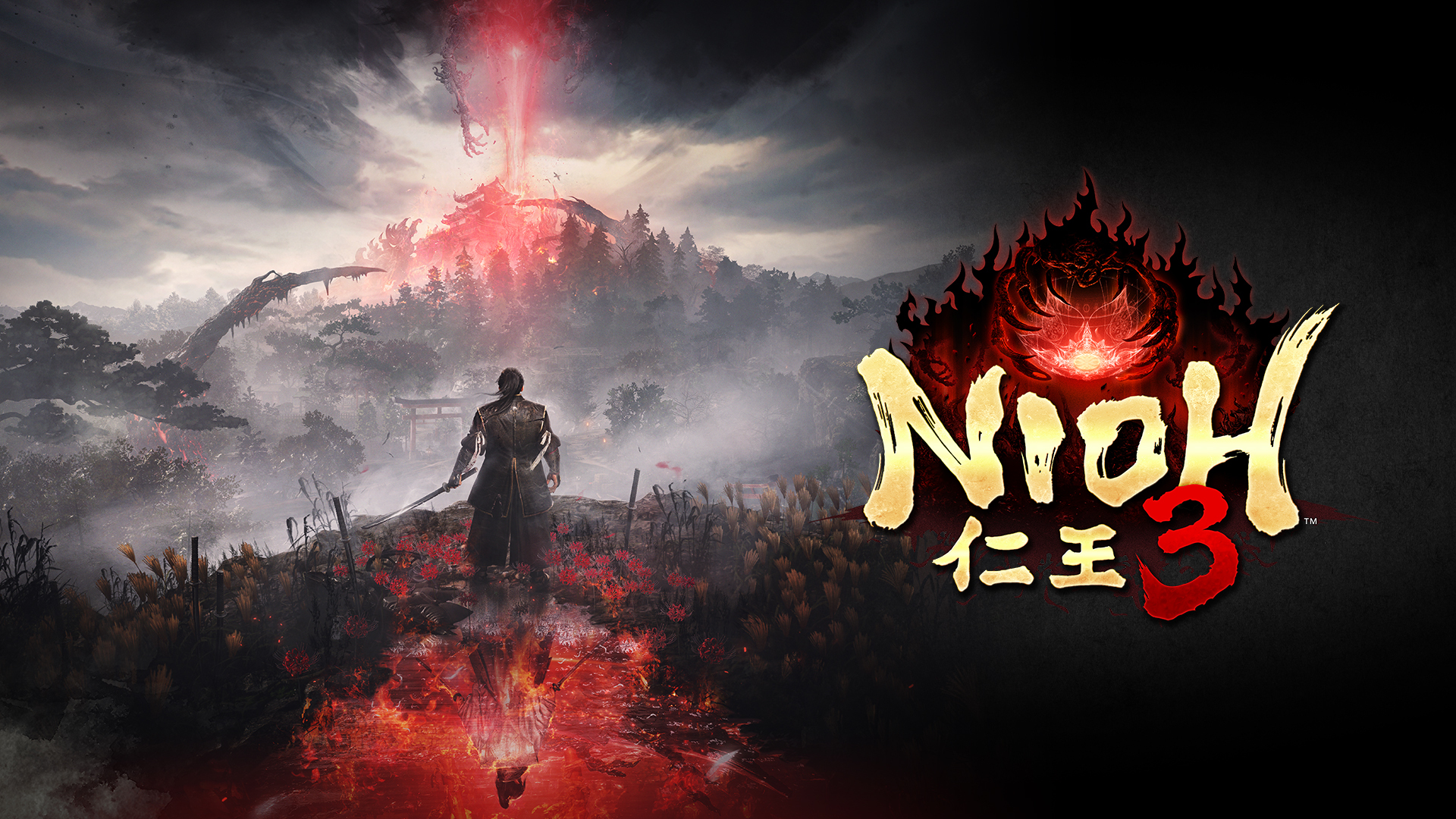
The Bakumatsu era makes its first appearance as a new setting in the Nioh series!
Check our official website: https://teamninja-studio.com/nioh3/
The story is set in Kyoto in 1864, long after the Edo period when Takechiyo was attacked by Kunimatsu. In this world, most of Japan has been swallowed by the expanding Crucible, and vicious yokai roam freely across the land. Brave warriors known as loyalists defend the Spirit Trees that hold back the spread of the Crucible from the shogunate’s grasp. We hope you enjoy Nioh’s first depiction of the final era of the samurai, the Bakumatsu period.
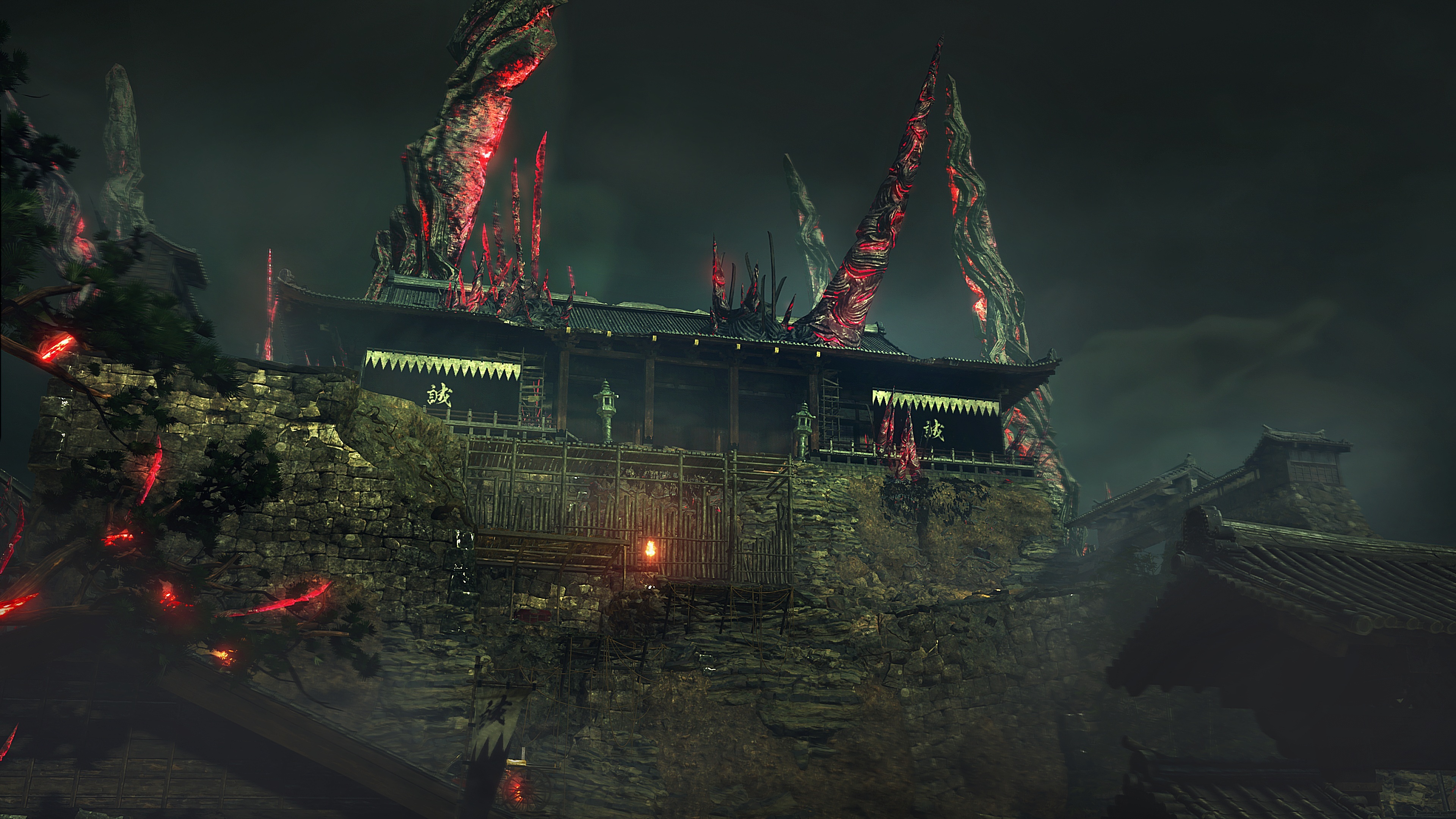
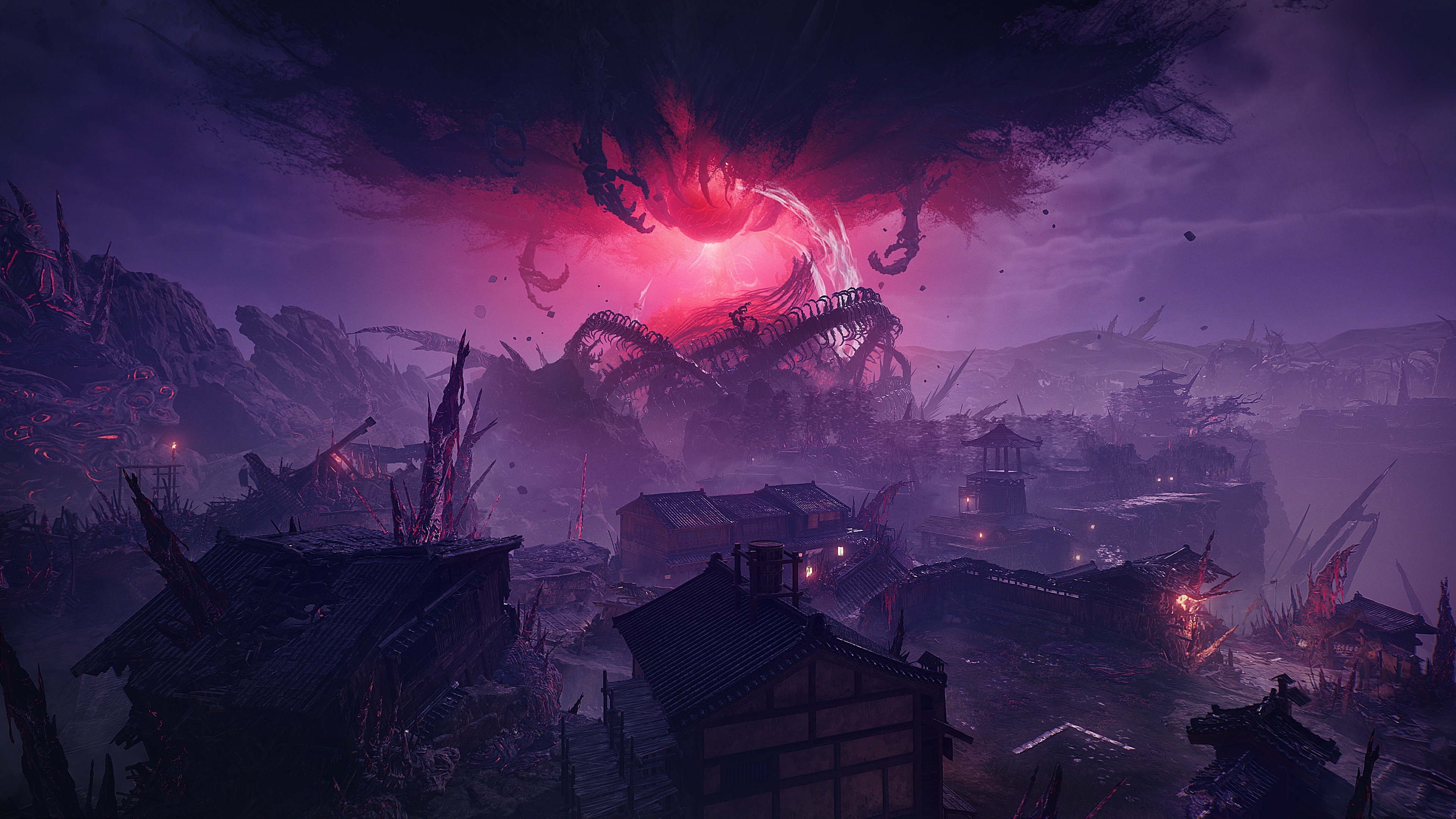
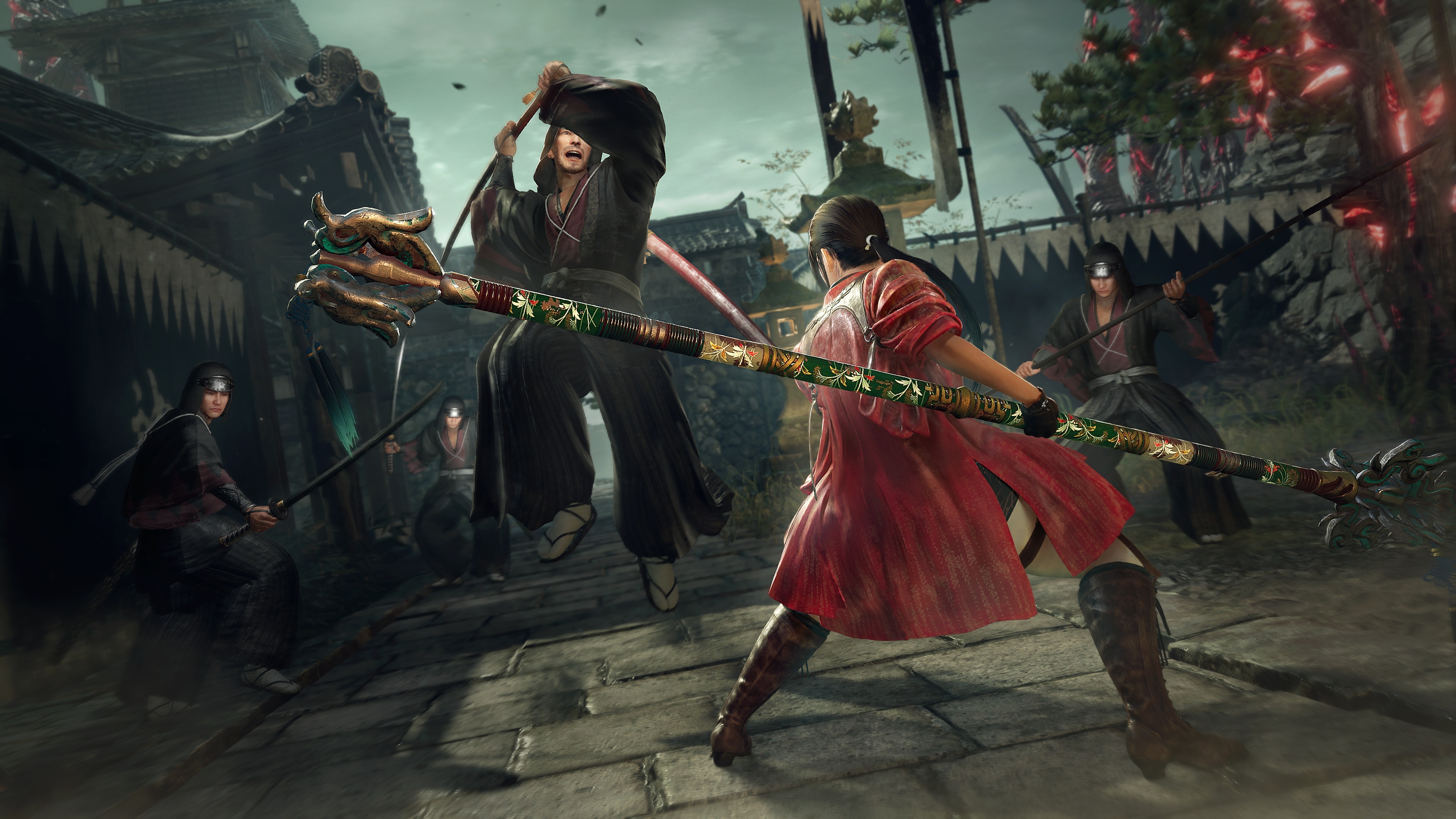
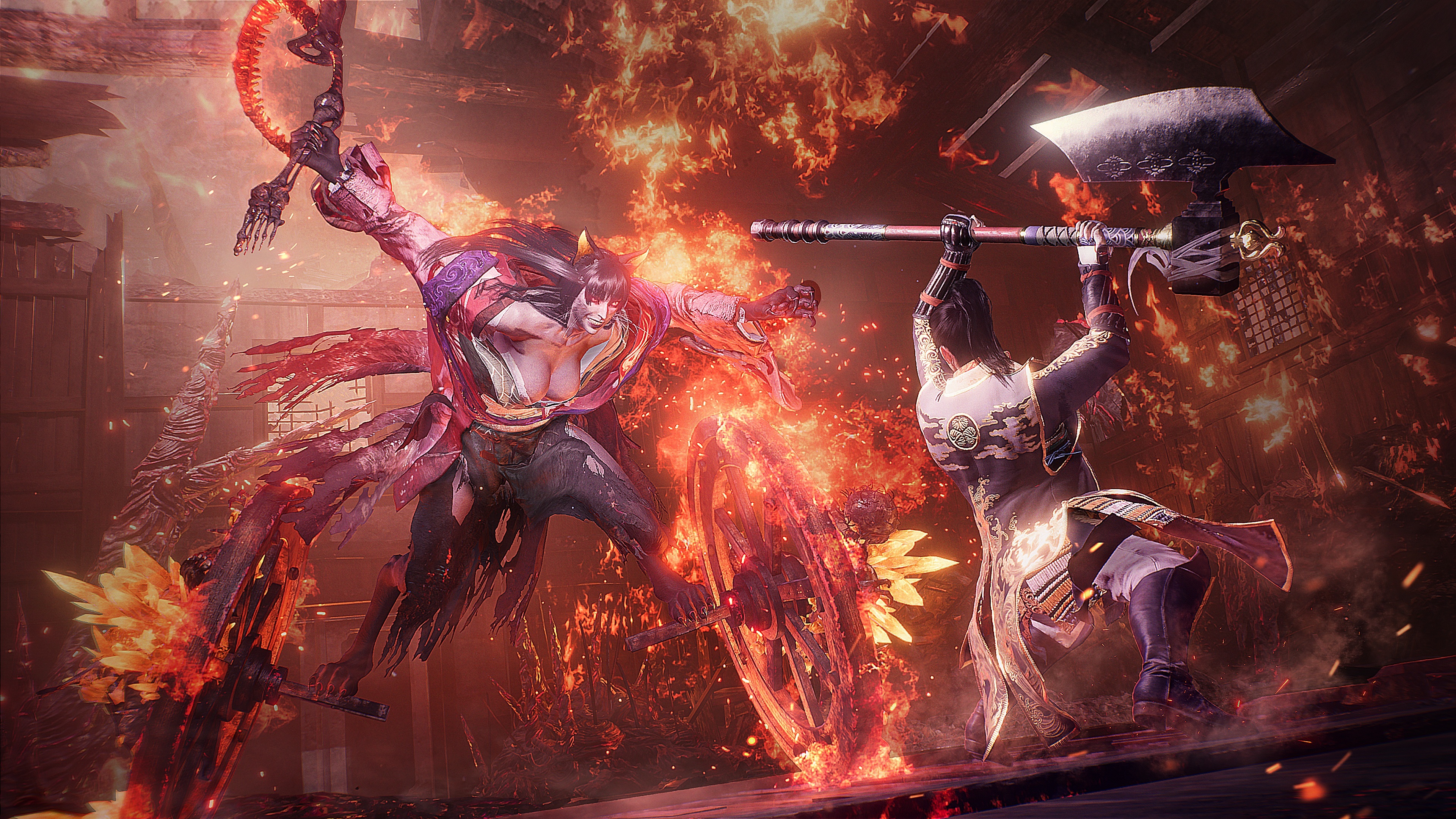
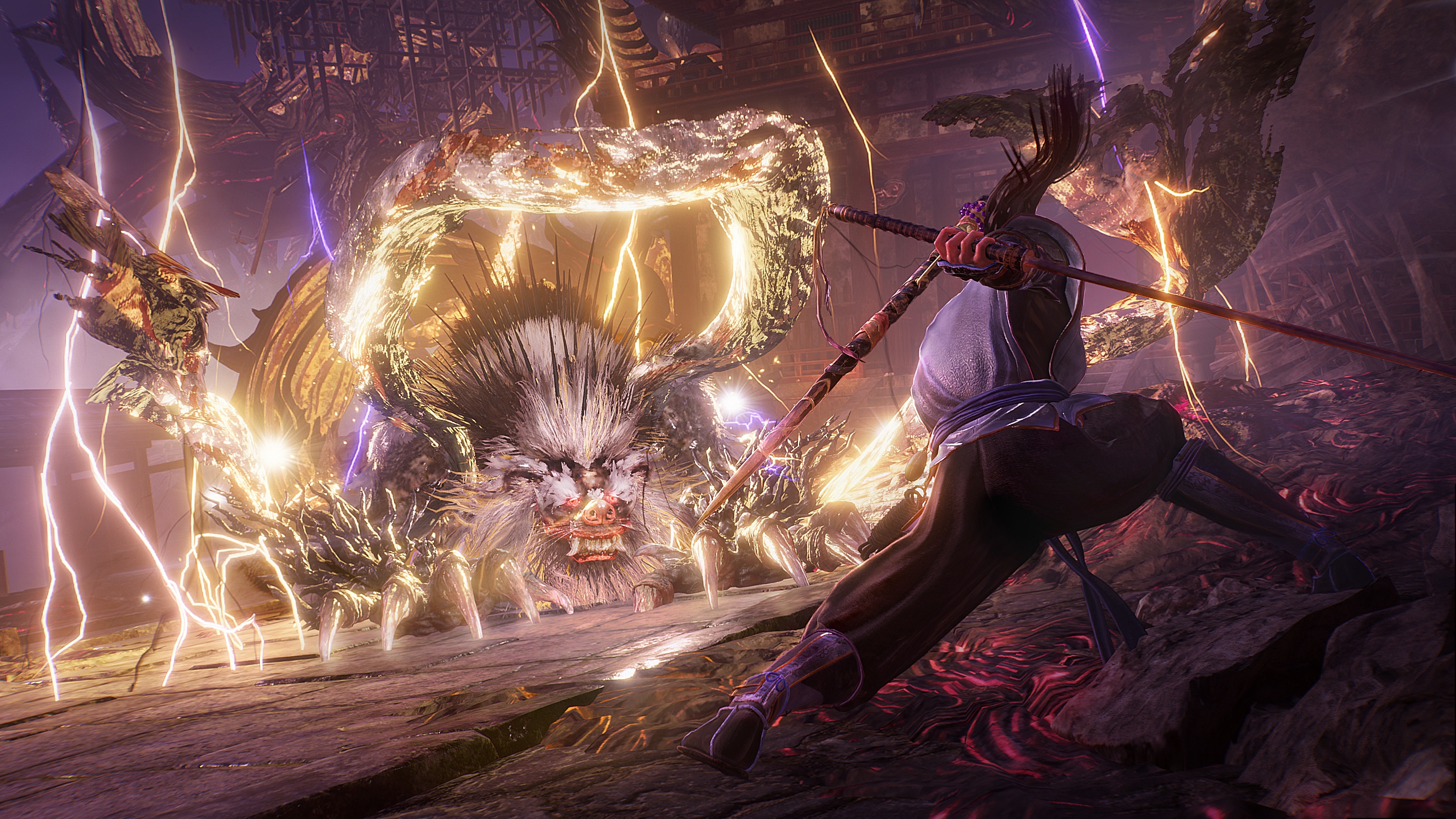
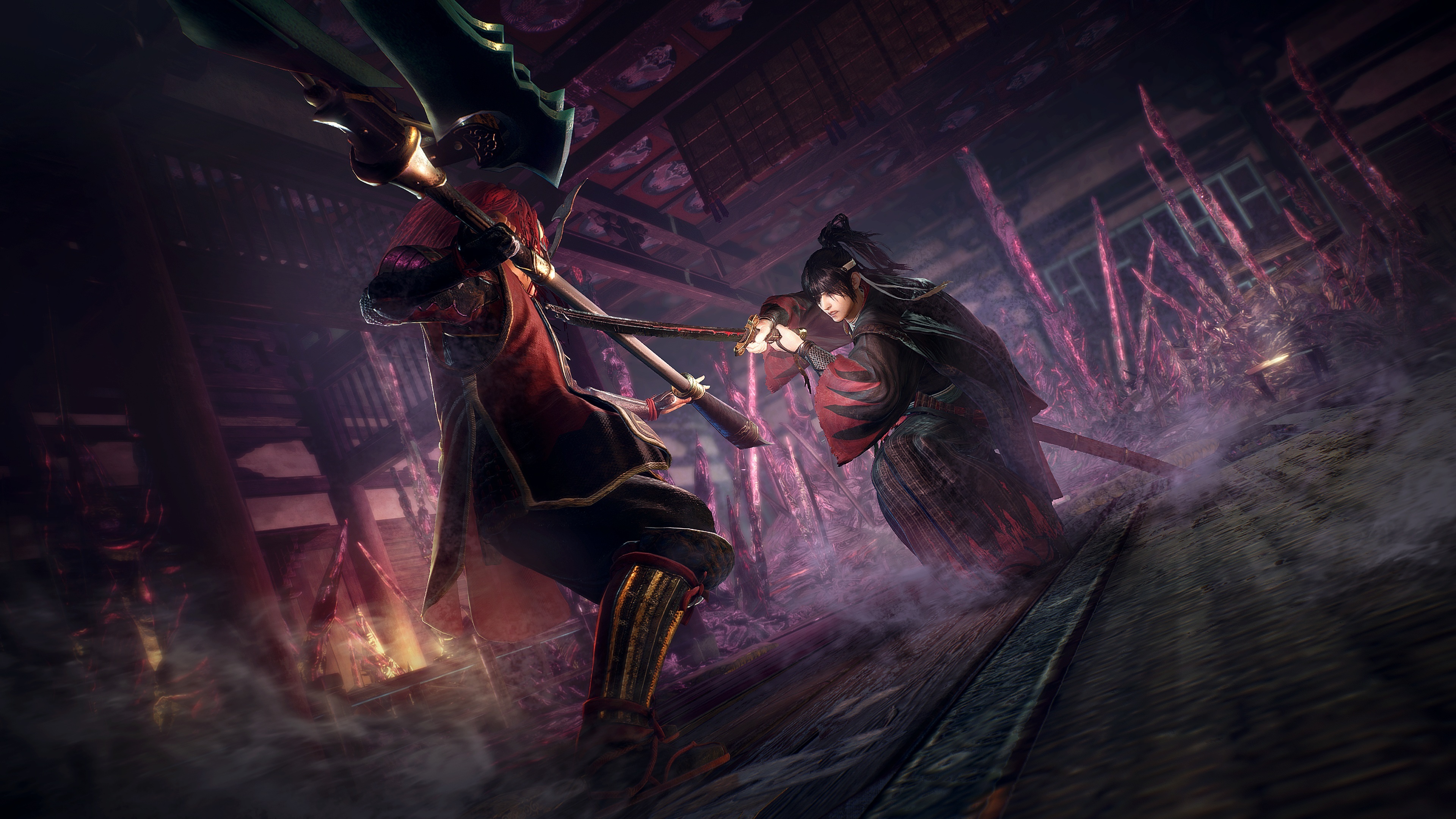
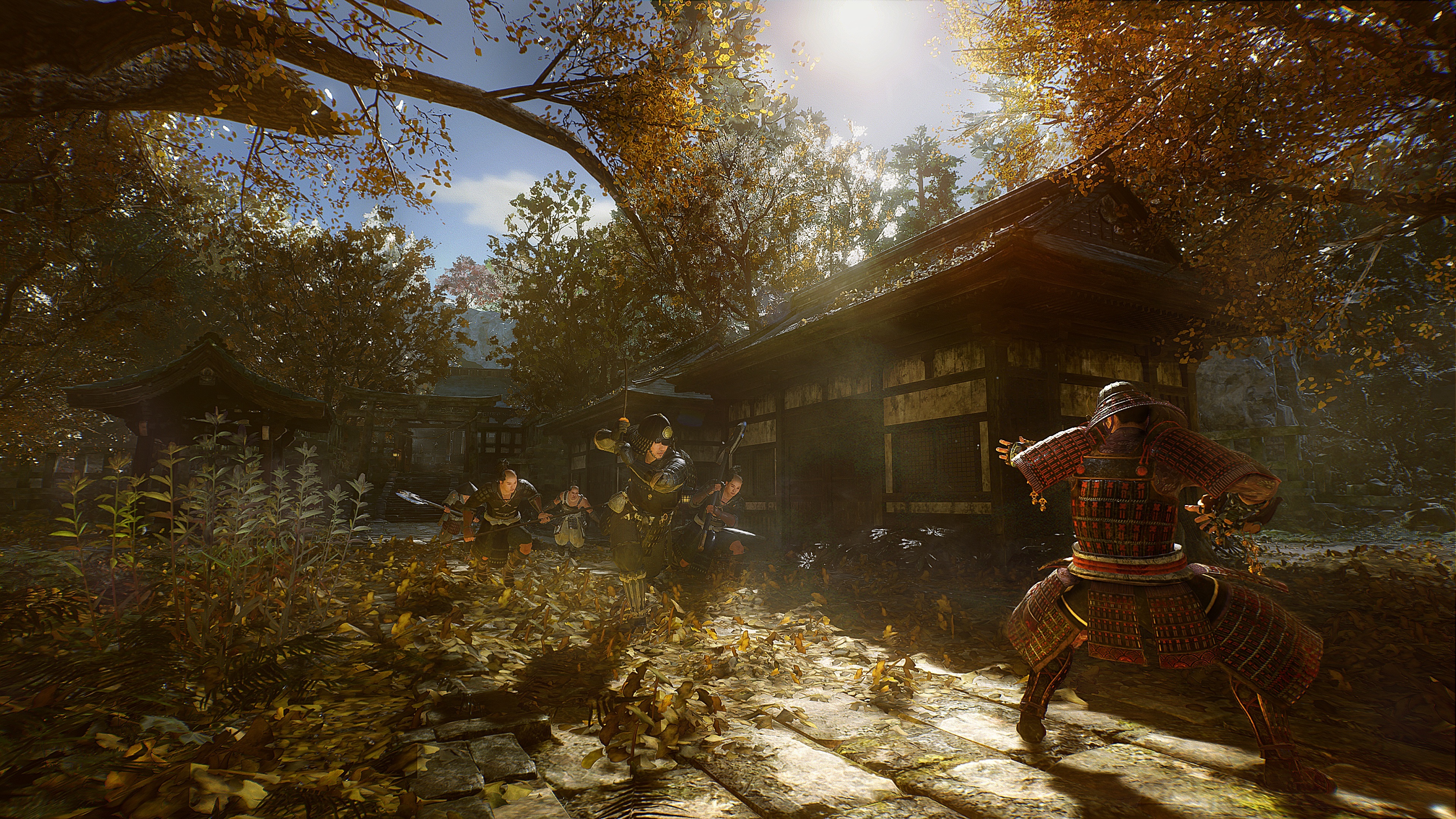
In Bakumatsu-era Kyoto, the city is undergoing dramatic terrain distortions caused by the encroaching Crucible. Landmarks such as Kiyomizu Temple, one of Kyoto’s most iconic temples, and Honnoji Temple, which also appeared in Nioh, have begun to show signs of disturbance. The Shinsengumi, a military squad serving the shogunate, has also emerged amid these anomalies, with their base at Mibu Temple serving as a key battleground. Players will face Shinsengumi troops as enemies, some equipped with firearms and Gatling guns, launching ranged and multi-directional attacks. Players can experience a style of battle unlike any seen in previous Nioh games, where modern weaponry and traditional blades clash in the chaos of the Bakumatsu. In addition, new yokai, distinct from those of the Sengoku and Heian periods, will emerge to block your path. In Bakumatsu-era Kyoto, players can experience both modernized warfare and battles with yokai unique to this era.
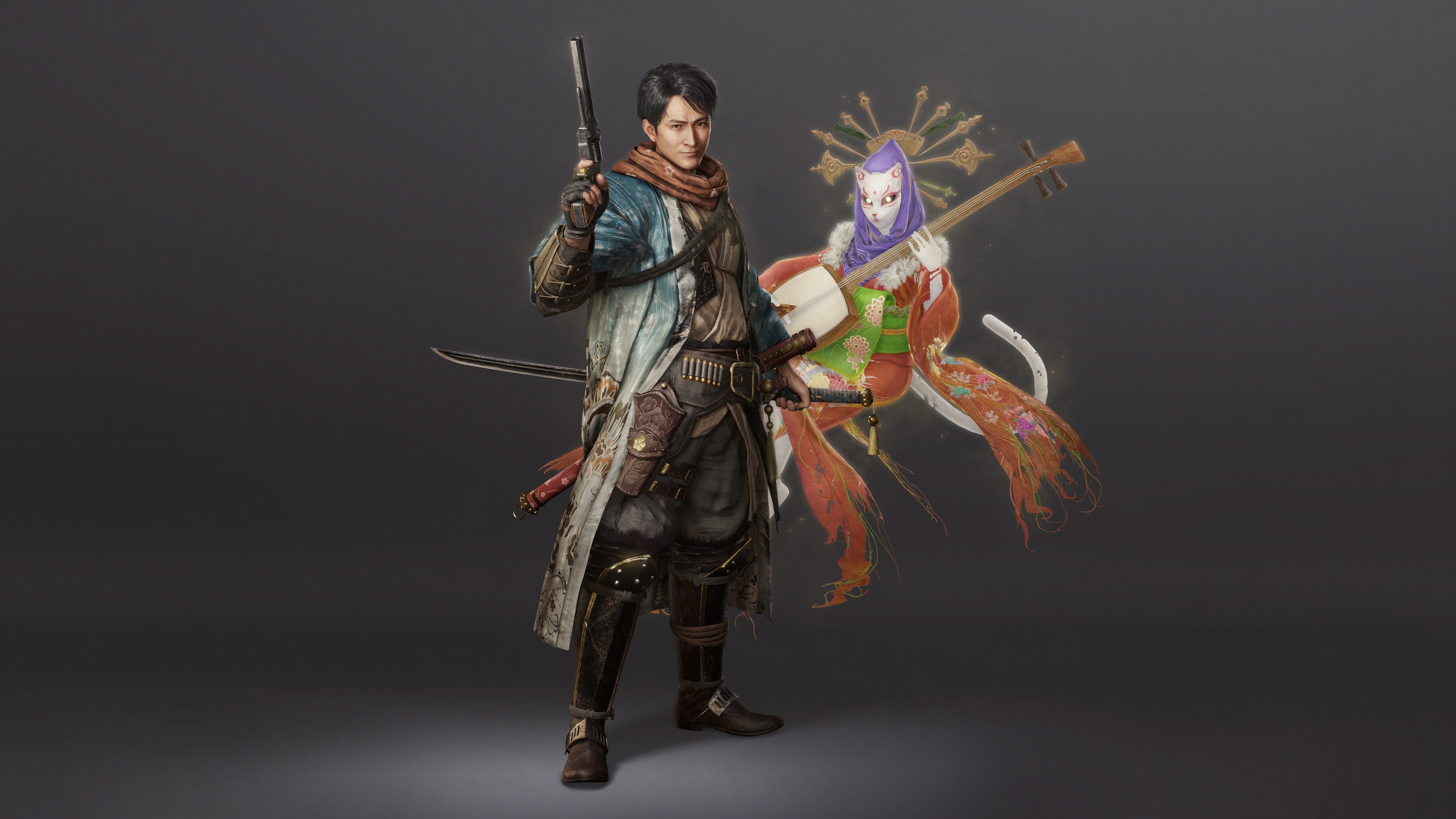
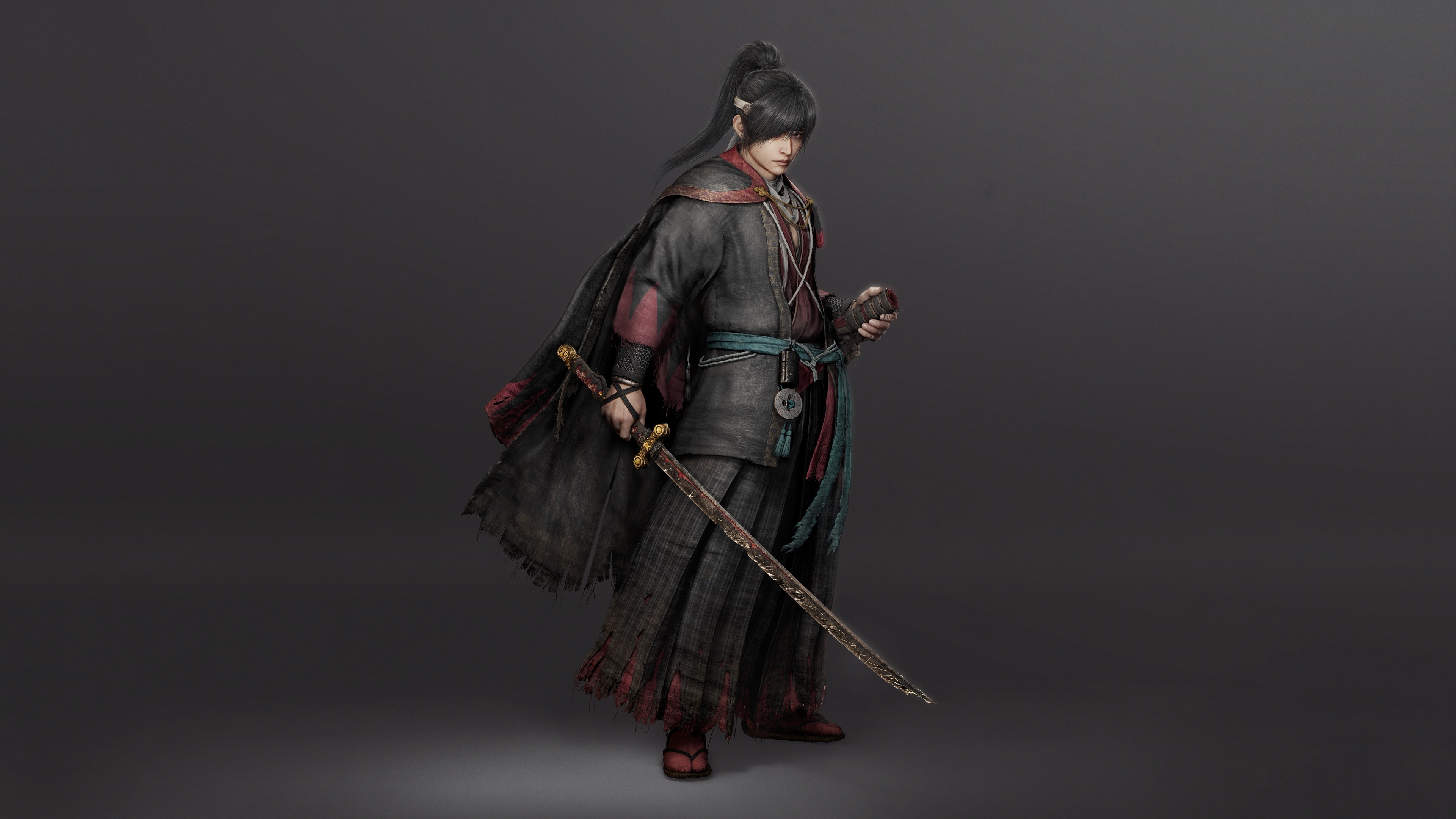
A loyalist hailing from Choshu (modern-day Yamaguchi prefecture).
He was an exceedingly dynamic man, being said to "move like lightning and appear like a sudden storm," and he led a group of loyalist shock troopers known as the Kiheitai. Very talented in combat, he used the latest handguns and Yagyu Shinkage school sword techniques.
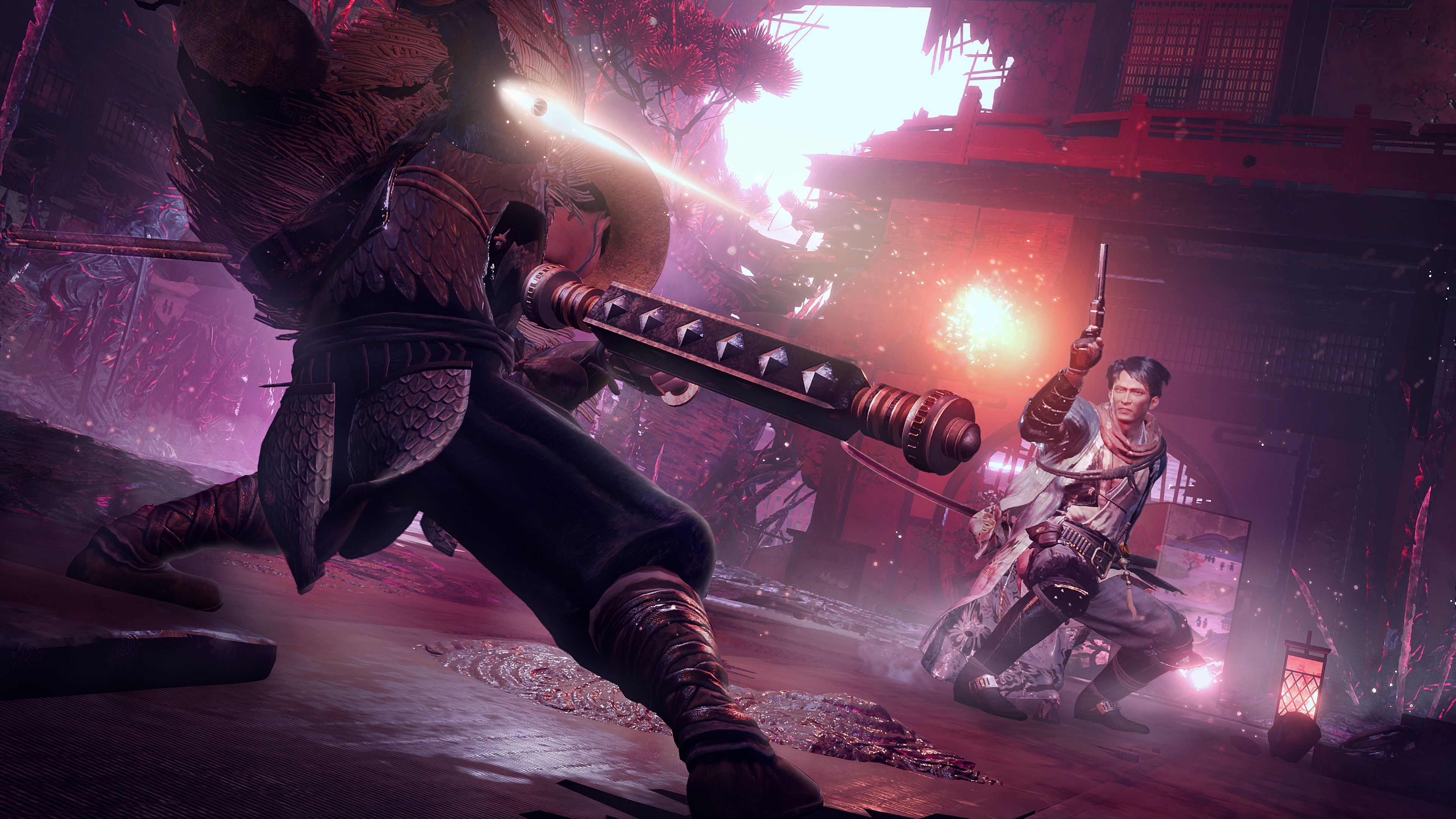
Okita Soji was the captain of the Shinsengumi's First Squad.
He was also old friends with the Shinsengumi's commander, Kondo Isami, and vice commander, Hijikata Toshizo. His sword skills were unparalleled among the Shinsengumi, and loyalists feared him for his incredible swordsmanship. After becoming head of the Shinsengumi, he fought against the loyalists with a coldness brought about by his heavy burden of responsibility and restlessness that comes with leading troops.
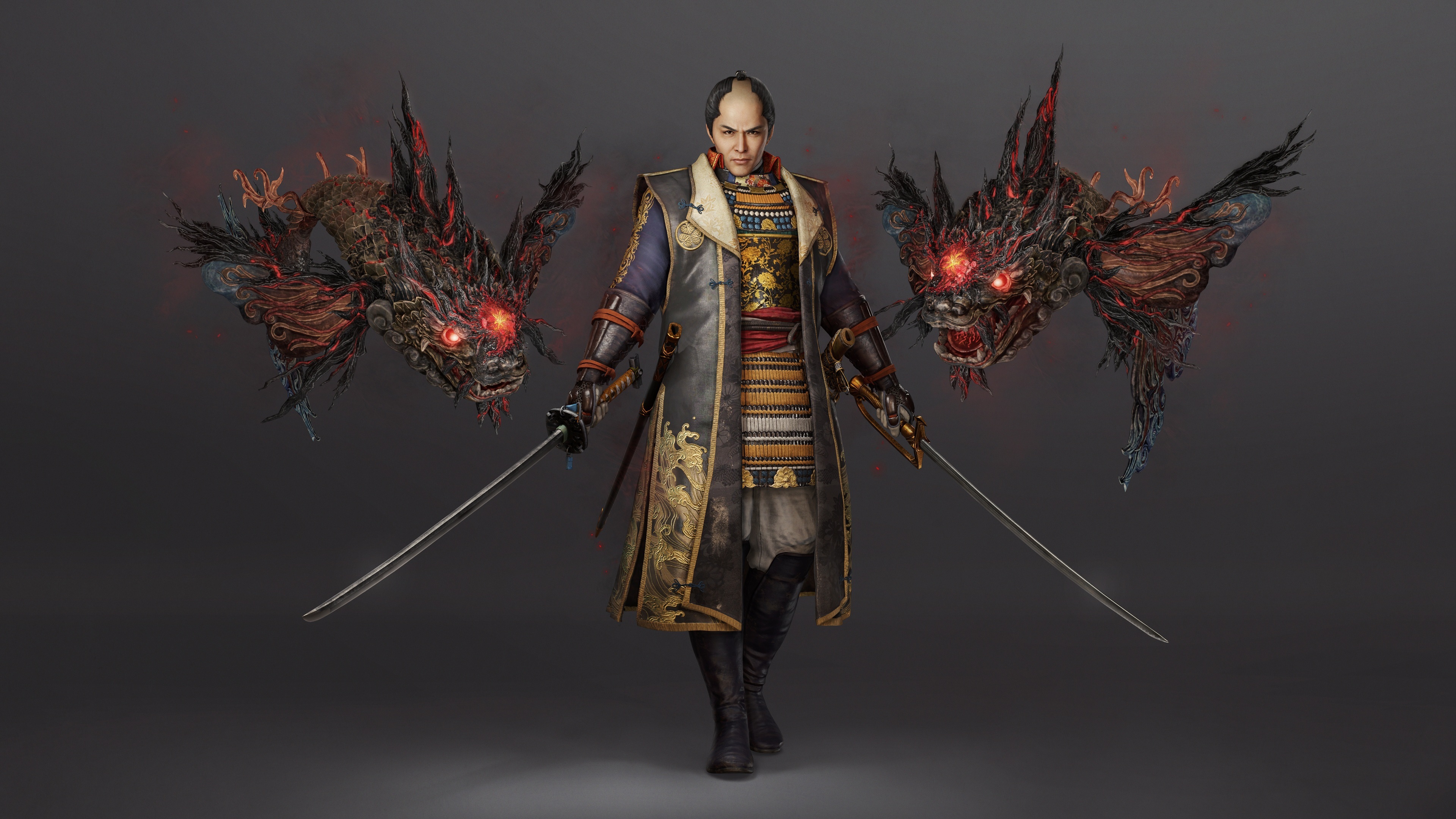
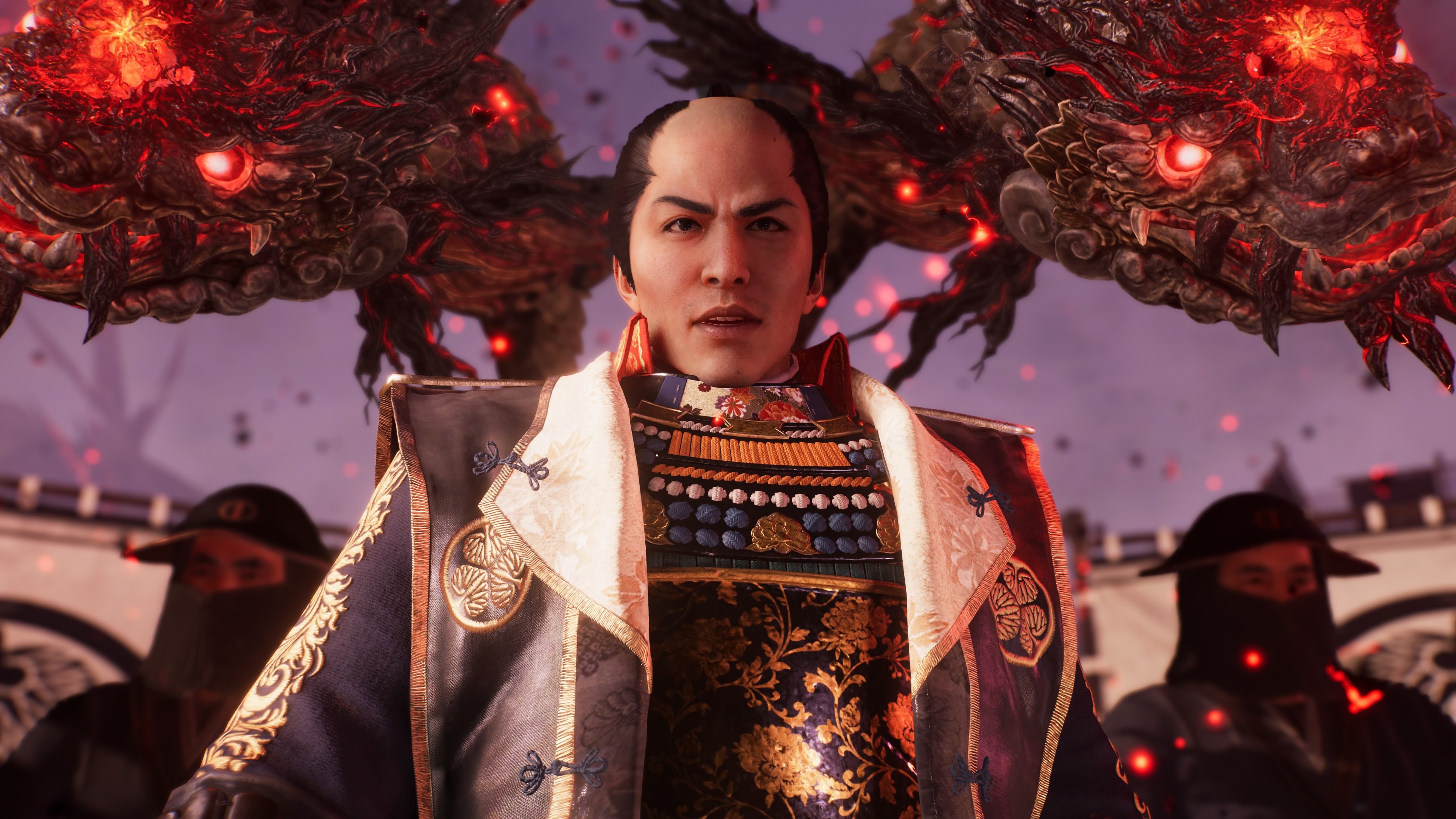
Tokugawa Yoshinobu was born into the Mito Tokugawa clan, which was one of the three main branches of the Tokugawa, before later being adopted by the Hitotsubashi. He went on to become the 15th shogun of the Edo shogunate.
It is said that Yoshinobu excelled in both academics and martial arts, including shuriken-throwing, and even fought on the frontlines during the Kinmon Incident.
He carried a pocket watch and had a fondness for Western culture, even studying photography and Western painting techniques. He was very open to the innovative policies he learned of from foreigners, and this quality of his was embraced even by those who sought to overthrow the shogunate.
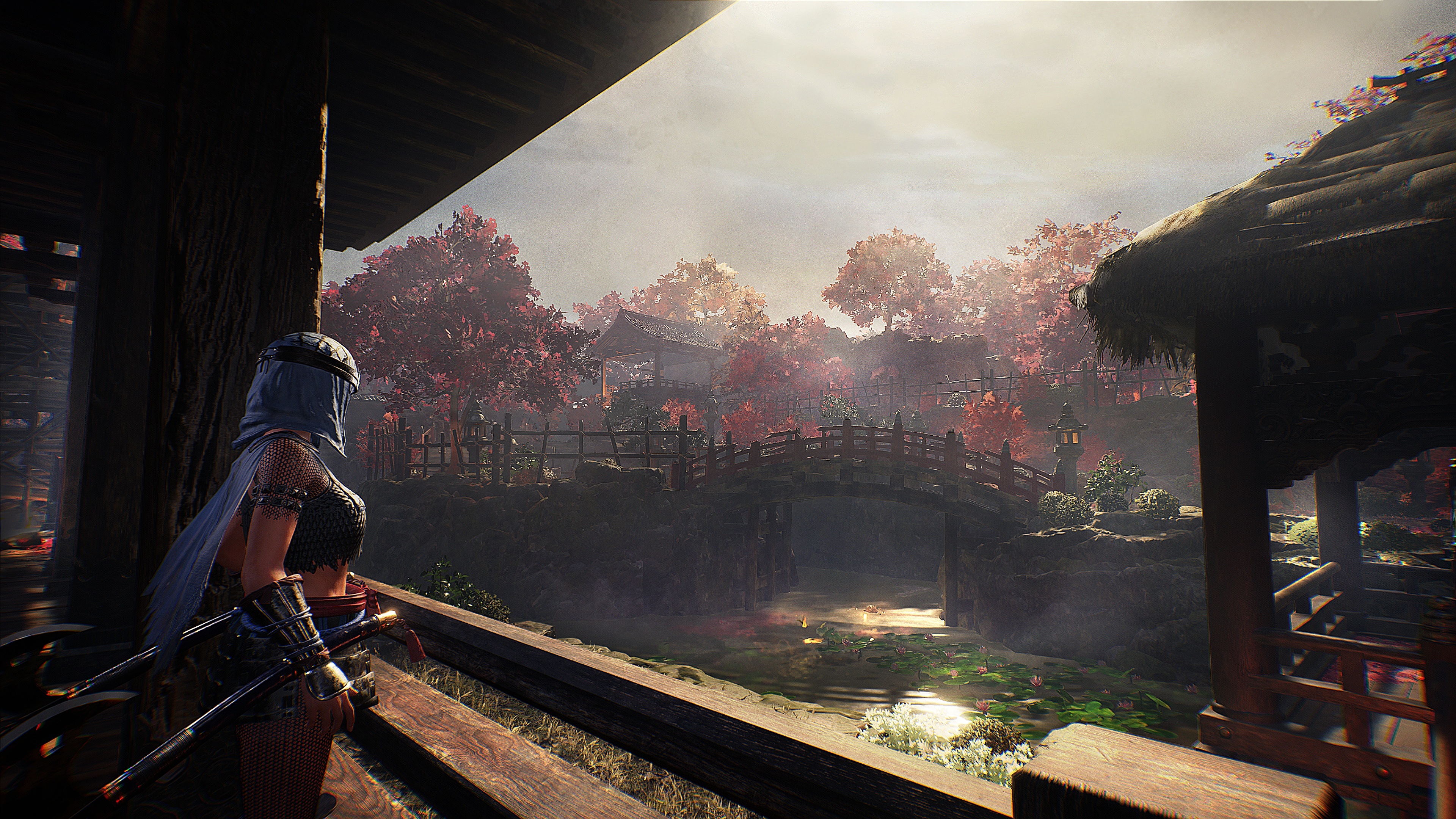
In the Sengoku field, the environment may undergo significant changes as the story progresses.
Compared to its earlier state, players may discover new surprises and hidden elements through exploration.
The Bakumatsu era makes its first appearance as a new setting in the Nioh series!
We’re also introducing a new cast of distinctive characters and powerful yokai that await in Bakumatsu-era Kyoto.
Check our official website: https://teamninja-studio.com/nioh3/
■ A first time for the series, Nioh brings Bakumatsu era to life — the end of the samurai era
The story is set in Kyoto in 1864, long after the Edo period when Takechiyo was attacked by Kunimatsu. In this world, most of Japan has been swallowed by the expanding Crucible, and vicious yokai roam freely across the land. Brave warriors known as loyalists defend the Spirit Trees that hold back the spread of the Crucible from the shogunate’s grasp. We hope you enjoy Nioh’s first depiction of the final era of the samurai, the Bakumatsu period.
■A fierce clash of blades and bullets unfolds in Kyoto, a city on the brink of being swallowed by the Crucible
In Bakumatsu-era Kyoto, the city is undergoing dramatic terrain distortions caused by the encroaching Crucible. Landmarks such as Kiyomizu Temple, one of Kyoto’s most iconic temples, and Honnoji Temple, which also appeared in Nioh, have begun to show signs of disturbance. The Shinsengumi, a military squad serving the shogunate, has also emerged amid these anomalies, with their base at Mibu Temple serving as a key battleground. Players will face Shinsengumi troops as enemies, some equipped with firearms and Gatling guns, launching ranged and multi-directional attacks. Players can experience a style of battle unlike any seen in previous Nioh games, where modern weaponry and traditional blades clash in the chaos of the Bakumatsu. In addition, new yokai, distinct from those of the Sengoku and Heian periods, will emerge to block your path. In Bakumatsu-era Kyoto, players can experience both modernized warfare and battles with yokai unique to this era.
■Takasugi Shinsaku
A loyalist hailing from Choshu (modern-day Yamaguchi prefecture).
He was an exceedingly dynamic man, being said to "move like lightning and appear like a sudden storm," and he led a group of loyalist shock troopers known as the Kiheitai. Very talented in combat, he used the latest handguns and Yagyu Shinkage school sword techniques.
■Okita Soji
Okita Soji was the captain of the Shinsengumi's First Squad.
He was also old friends with the Shinsengumi's commander, Kondo Isami, and vice commander, Hijikata Toshizo. His sword skills were unparalleled among the Shinsengumi, and loyalists feared him for his incredible swordsmanship. After becoming head of the Shinsengumi, he fought against the loyalists with a coldness brought about by his heavy burden of responsibility and restlessness that comes with leading troops.
■Tokugawa Yoshinobu
Tokugawa Yoshinobu was born into the Mito Tokugawa clan, which was one of the three main branches of the Tokugawa, before later being adopted by the Hitotsubashi. He went on to become the 15th shogun of the Edo shogunate.
It is said that Yoshinobu excelled in both academics and martial arts, including shuriken-throwing, and even fought on the frontlines during the Kinmon Incident.
He carried a pocket watch and had a fondness for Western culture, even studying photography and Western painting techniques. He was very open to the innovative policies he learned of from foreigners, and this quality of his was embraced even by those who sought to overthrow the shogunate.
■New discoveries await in the changing field
In the Sengoku field, the environment may undergo significant changes as the story progresses.
Compared to its earlier state, players may discover new surprises and hidden elements through exploration.