

Developer Diary #3 - Trade & Economics
Date: 2025-09-11 15:00:32
Greetings once again, everyone, and welcome back to our Europa Universalis V development diary series!
Today, we’re diving into one of the cornerstones of empire-building: the economy. In Europa Universalis V, we’re designing an economic system that’s not just about balancing the books, but about weaving together production, buildings, trade and the prosperity of your people into a living, dynamic world of growth.
Your challenge will be to harness these forces to strengthen your nation, expand its influence, and realize your imperial ambitions.
Production
To start things off, let's discuss production, the bedrock of your nation’s wealth. Every Location in EU5 has a type of raw material it produces and to gather that raw material, you need to gather it whether it be farming, hunting, mining, extracting or whatever else it may be.
We call these raw material extractions as a resource gathering operation or R.G.O for short.
R.G.Os are staffed by a sub-group of the commoner class known as Laborers. Positioned just above peasants in the social hierarchy, Laborers form the backbone of your economy by working in R.G.Os as well as certain production buildings, ensuring the steady flow of raw materials your nation depends on. In some cases in EU5, R.G.Os can also be worked on by slave pops.
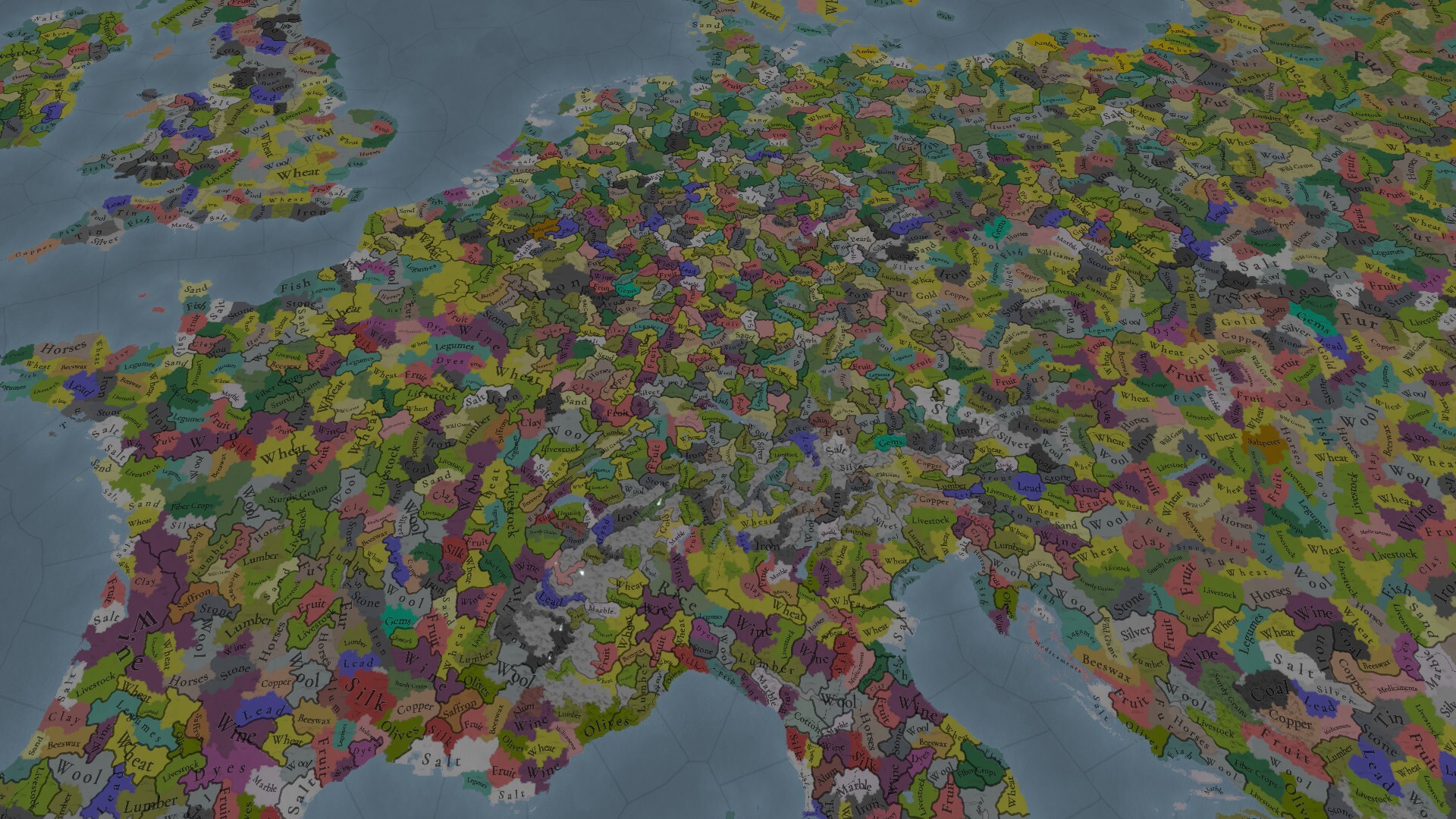 The range of goods produced across the world in Europa Universalis V is vast and varied — from essential staples like grain and livestock, to strategic resources such as iron, copper, and coal, and all the way to coveted luxuries like silk, cloves, and precious gems.
What a Location produces is shaped by these factors:
- Geography & Climate: The natural environment heavily influences production. Fertile plains favor grain harvests, while mountainous terrain may conceal rich mineral deposits. Climate determines what crops thrive and which resources are accessible, with certain raw materials tied to specific regions. For instance, cloves in south east asia or Cocoa in Central America.
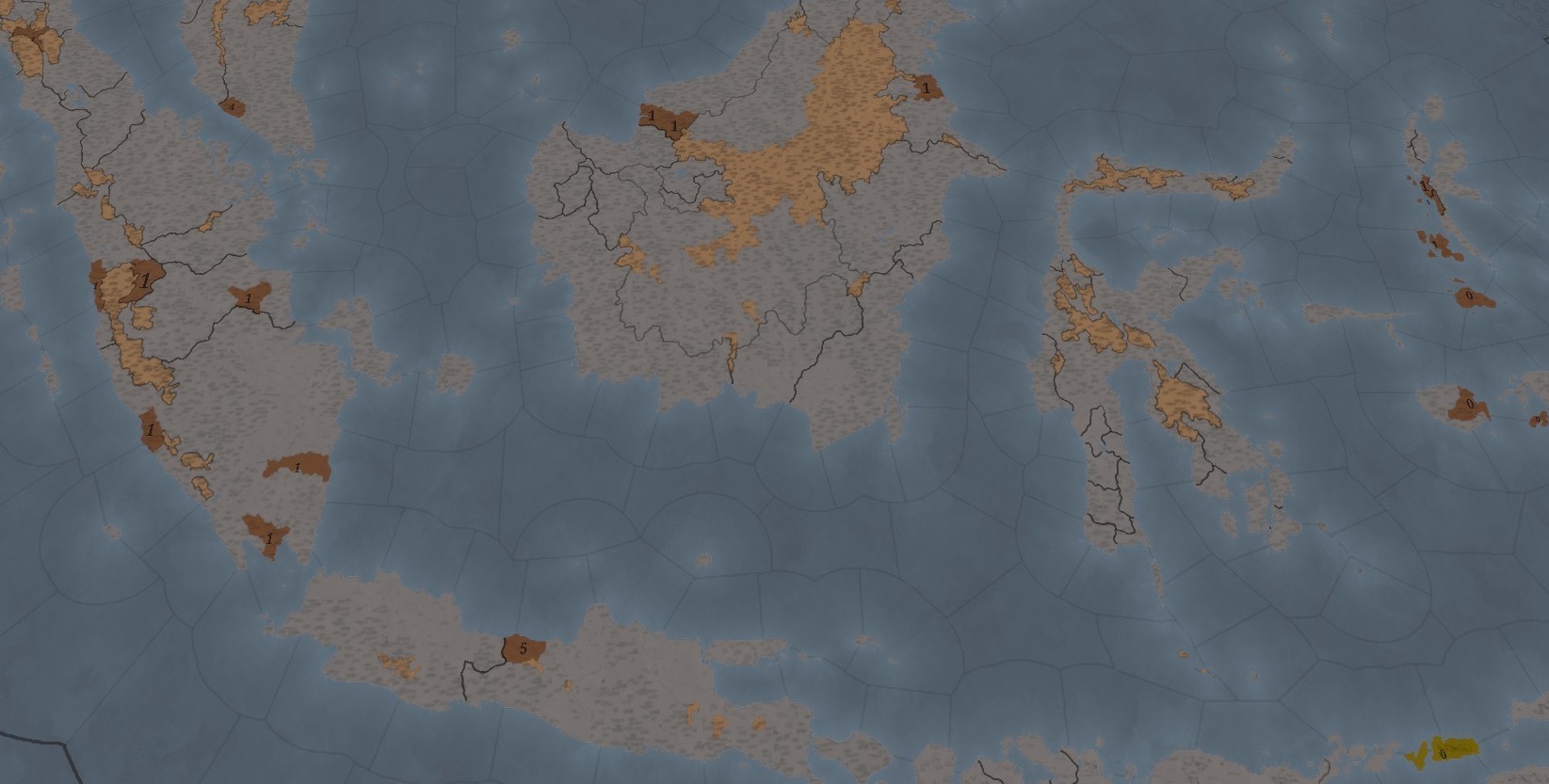 Cloves in South East Asia - the only place in the world where cloves exist in game start
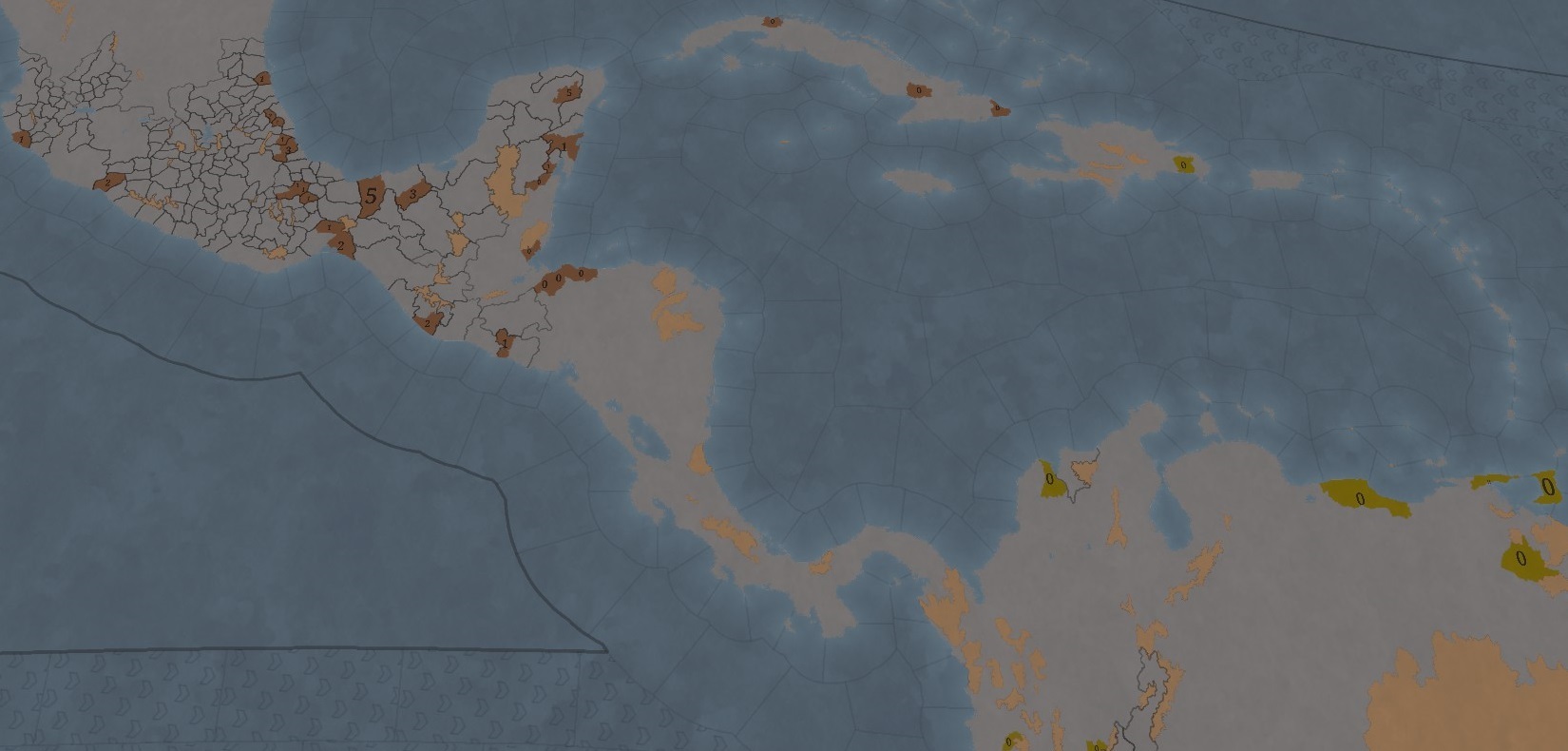 Similarly Cocoa can only be found in Central and South America
- Historical Context: Many Locations begin with outputs that reflect their historical legacy. A location famed for its winemaking will likely yield wine in EU5, while regions that hosted famous mines, such as those rich in silver or gold — will continue that tradition within the game.
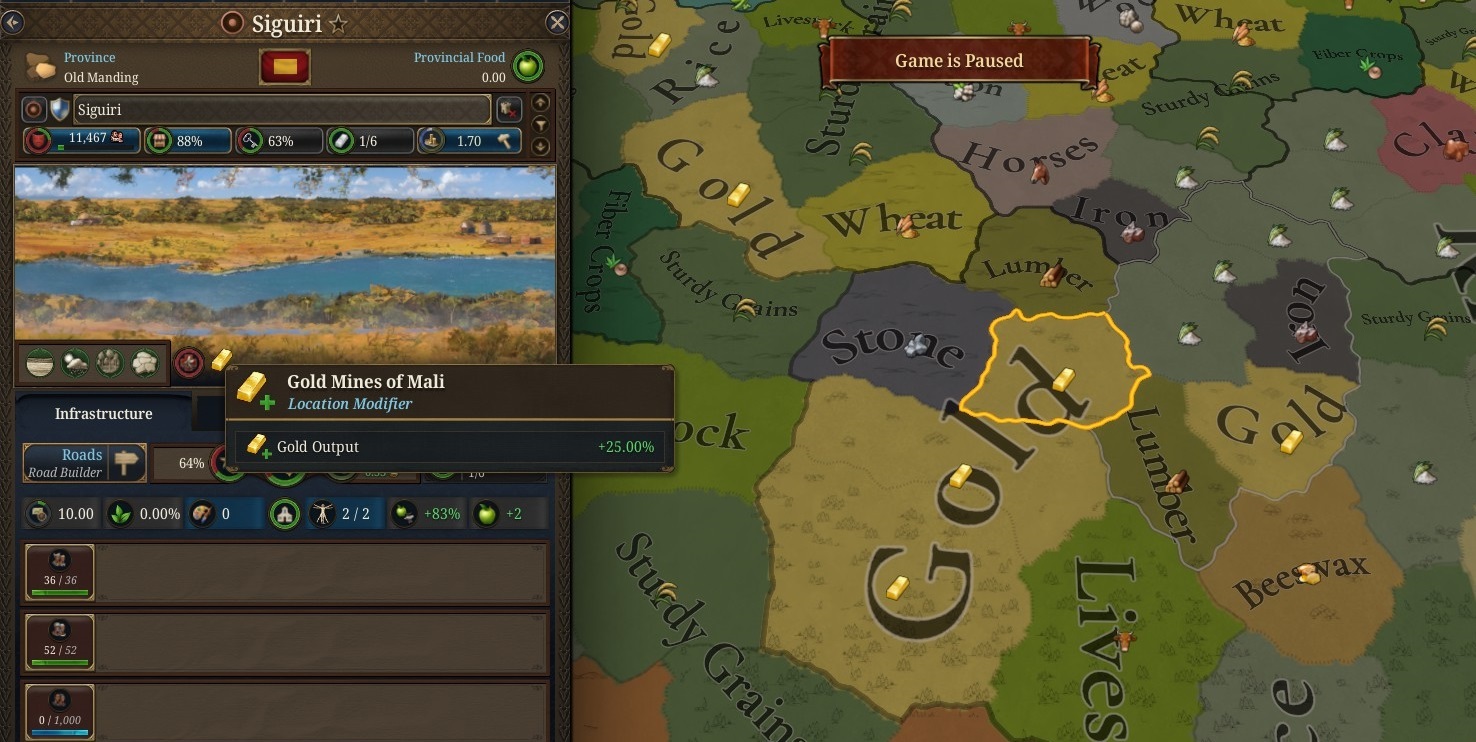 The Bohemian silver mine of Kutna Hora
The resources produced in a location generally do not change however there are events and the Colombian exchange situation that can potentially change a location’s R.G.O. While the type of resource is usually fixed, the potential level of an R.G.O is dynamic and shaped by many factors as your campaign progresses.
Here are the key elements that influence R.G.O capacity and output in Europa Universalis V:
- Infrastructure & Population: Every R.G.O has a current level and a maximum potential level. You can invest to raise the current level of R.G.O infrastructure towards the maximum level, but it won’t operate at full capacity without sufficient Laborer pops. A larger population also increases the maximum level, allowing more resources to be gathered.
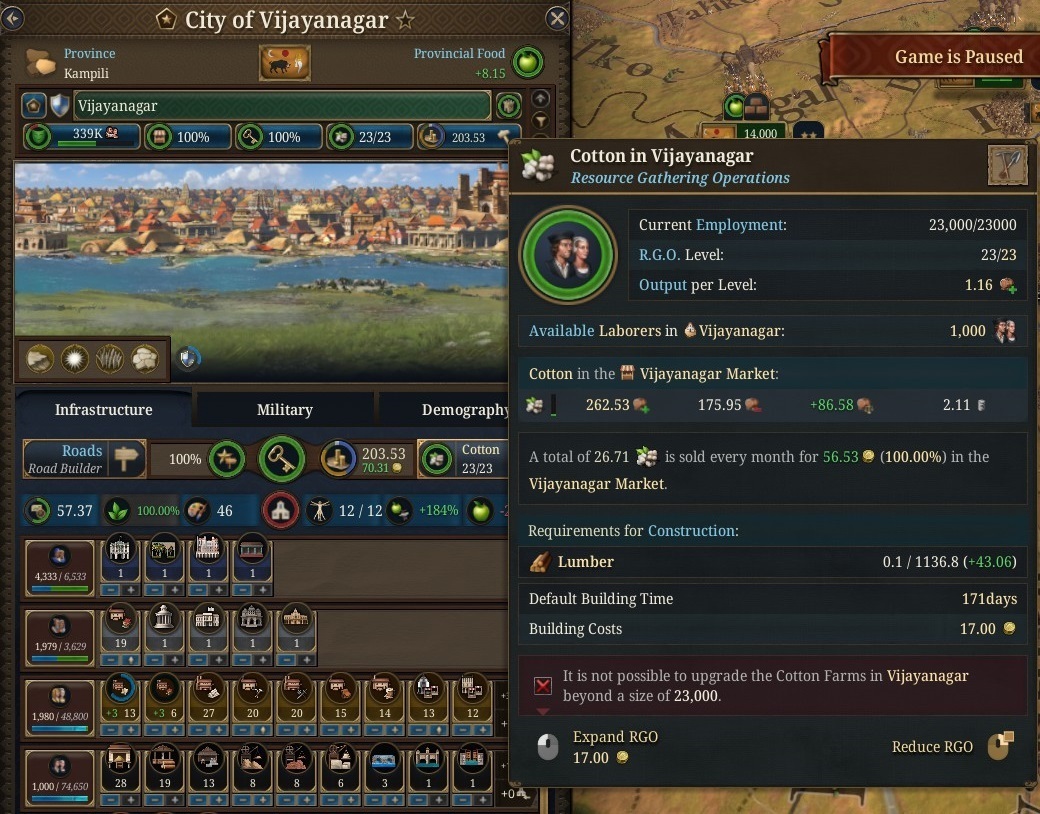 City of Vijayanagar in the year 1580
- Development: A location's development directly affects how far its R.G.O can be expanded. Higher development means greater potential, and development itself grows over time through prosperity, cabinet actions, estate privileges, events, parliament, and improvements such as road networks.
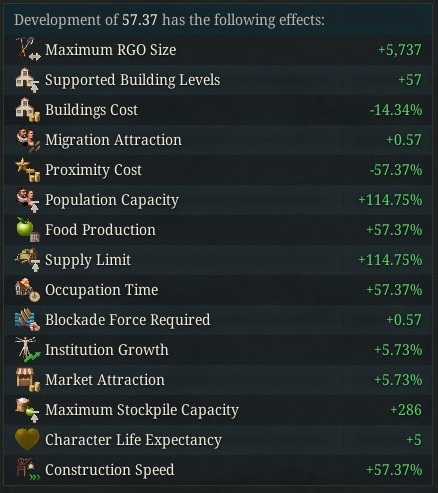
Effects of a location with 57 development
- Devastation: War, rebellion, natural disasters, or instability reduce productivity. A devastated province will underperform compared to a stable, peaceful one.
- Local Modifiers: Some Locations feature unique modifiers tied to geography, culture, or history that enhance or alter production.
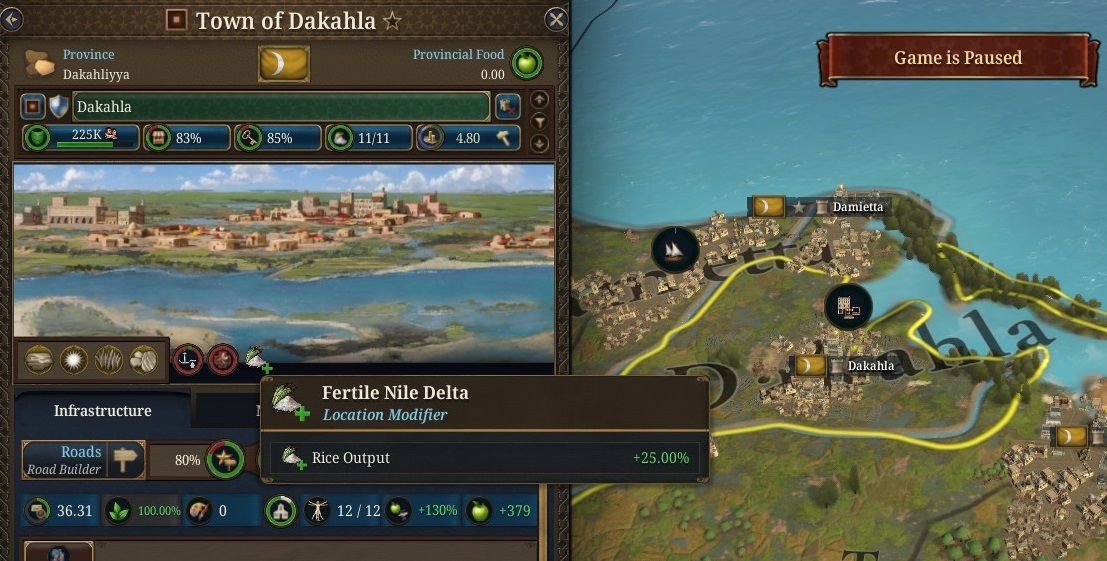 Fertile Nile Delta is a location modifier throughout the Nile Delta, increasing output of food production
- Location Rank: Transitioning from a rural area to a town or city decreases the maximum R.G.O size, reflecting urbanization’s shift away from raw resource extraction.
- Technology: Advances in agriculture, mining, and manufacturing boost output. Certain advances are tied to specific goods output, for example, the Slitting Mills Advance in the Age of Reformation, increases iron production by 66% nationwide. Many other advances increase maximum levels of R.G.Os throughout your nation.
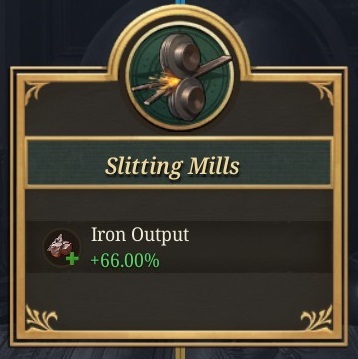
Slitting Mills Advance Age of Reformation
- Literacy: Higher literacy among labourers in a given location increases the potential size of resource gathering operations.
- Buildings: Infrastructure such as windmills can improve output for specific goods, like boosting wheat and rice production in agricultural locations. There are also buildings that produce raw materials such as sand pits and salt collectors.
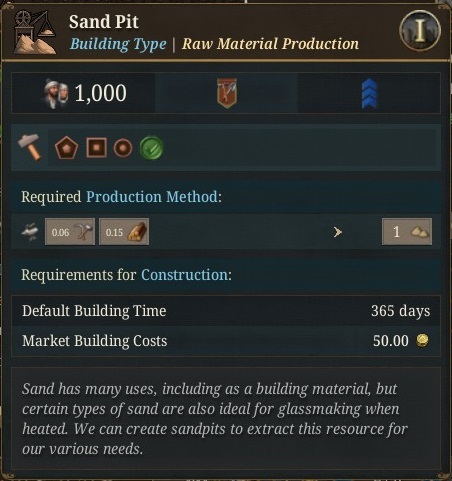
don't like sand, it's coarse and rough and irritating and it gets everywhere… But I need it to run my other buildings
Together, these systems ensure that resource production in EU5 is not static, but evolves alongside your nation’s growth, technology, and the challenges it faces.
Buildings
Buildings are the instruments through which you shape your locations and unlock their full potential. In Europa Universalis V, they are far more than simple upgrades, each structure serves a distinct purpose, influencing production, resource output, trade, and the character of your locations in meaningful ways.
Buildings can be categorized into several types:
- Basic Industry and Raw Materials Buildings: These buildings directly create goods, by using other goods as input, Examples include Tools Guild creating tools from Iron or a Printing Shop creating books with lead, paper, lumber and dyes. These buildings become better with further advancements with time, such as the tools guild becoming a tools workshop and eventually a tools factory. As mentioned earlier in this development diary, some of these goods that buildings produce are also extracted resources while others are more complex goods that can only be produced in buildings.
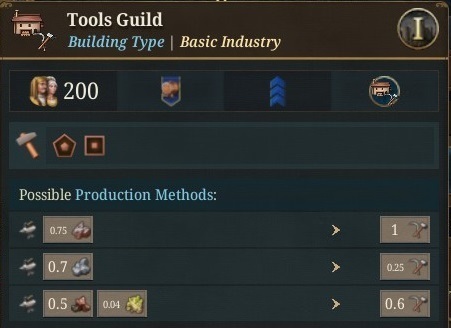
Tools Guilds are the only way to produce tools until the age of Reformation
- Infrastructure Buildings: These are a type of building that increase goods output, population capacity, disease resistance, proximity cost or development gain. Examples of this are the irrigation building or Hospitals.
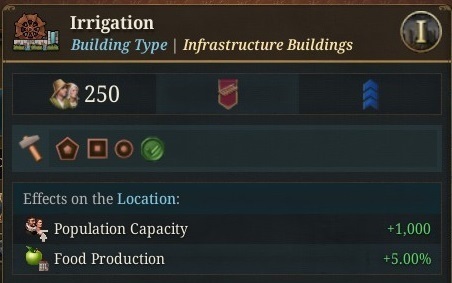
Irrigation buildings are a great way to increase population capacity in locations with rivers flowing through them.
- Trade Buildings: These structures enhance a Location's role in the trade network. Increasing the amount of trades your nation can do in the market the location is in and increasing trade advantage, the level of trade power you exert, in that given market. Examples of this are marketplaces and trade offices.
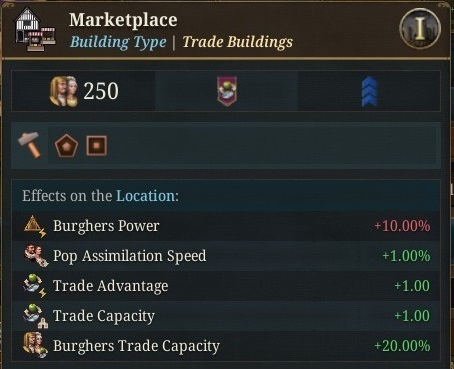
Marketplaces are a vital part in establishing strong trade power
- Military Buildings: These buildings support your military efforts by increasing monthly manpower and sailors. This also includes defensive buildings such as forts and bastions that make sieging your territory harder.
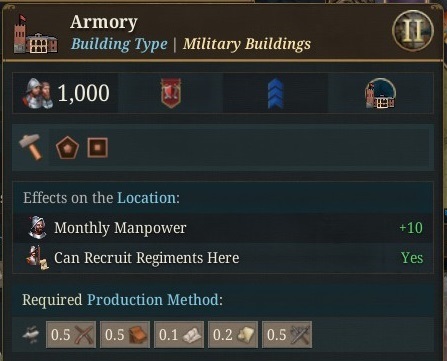
For Most Nations, the Armory is the first building that produces monthly manpower
- Villages: These are buildings that can only be built in rural locations of your nation. Usually increasing food capacity in that location and giving other minor bonuses in exchange for peasants power in the location. These buildings also produce some goods on their own but are not as efficient as other production buildings. Examples of this are Farming Village or Forest Village.
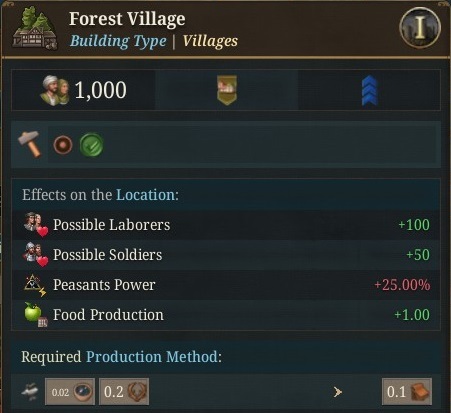
A Forest Village may not be the most efficient building, but it employs peasants and its cheap
- Cultural Buildings: These are buildings that help educate the masses or elevate cultural influence or tradition. Examples of this are the Library and Theatre.
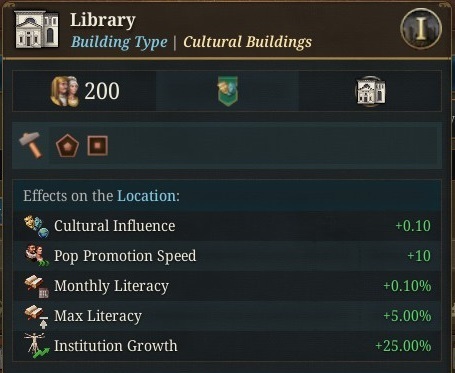
Temples are a great way to increase control in Urban locations
- Government Buildings: These are buildings that generally impact your nation on a nationwide scale, giving bonuses such as crown power and cabinet efficiency. Many of these buildings are limited in number and can only be built in the capital. Examples of this are the Chancery or Royal Court.
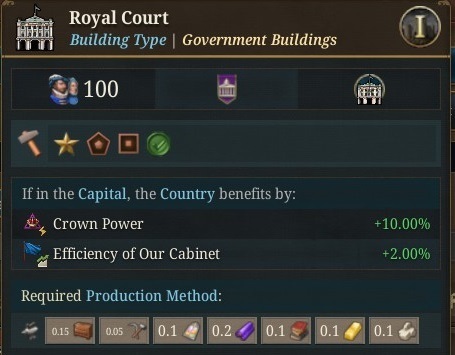
You can only have one Royal Court in your nation
- Location Unique Buildings: While buildings that only certain nations can build exist in EU5, such as the janissary barracks for the Ottomans or the Fretoria for Portugal, there are also unique buildings that are location specific. These buildings give unique modifiers, sometimes country wide, that can only be built and upgraded in specific locations in the entire world. Examples of this are the Seljuk Mints in Sivas and Konya or the Library of Vijayangar in the city of Vijayangar.
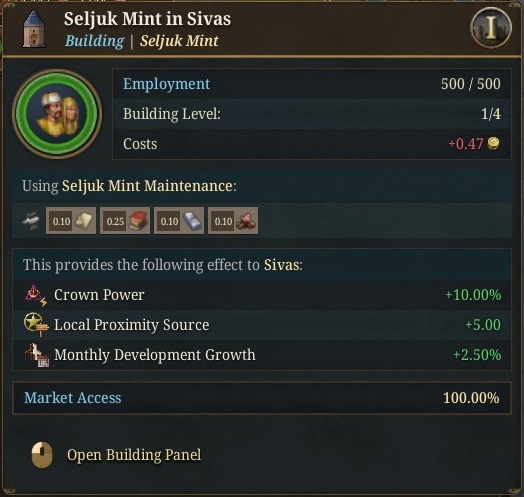
Seljuk Mints can only be built in the locations of Konya and Sivas
Many buildings will upgrade over time depending on advancements in research and some buildings fit many of these roles in one building, such as a dock that gives more sailors for your navy while also reducing proximity cost through a port.
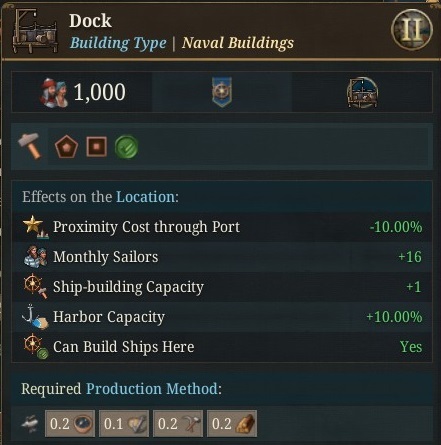
Docks give both sailors and proximity cost
Deciding which buildings to construct in a location is always a strategic choice, guided by the broader direction of your empire. A nation striving for economic dominance will naturally favor different structures than one seeking military supremacy or religious unity. These decisions are never made in isolation; as every building comes with an upfront cost and ongoing maintenance that must be balanced against the strength of your treasury.
Progress and innovation also play a central role. More advanced structures only become available after key technological breakthroughs, rewarding innovation and literacy.
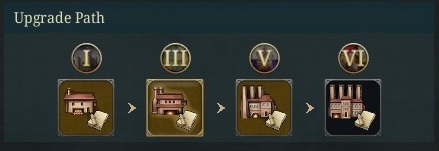
Over time a paper guild eventually can be upgraded to a paper factory
At the same time, access to the right raw materials is essential, as many buildings require specific resources to be constructed in the first place and need goods to function properly.
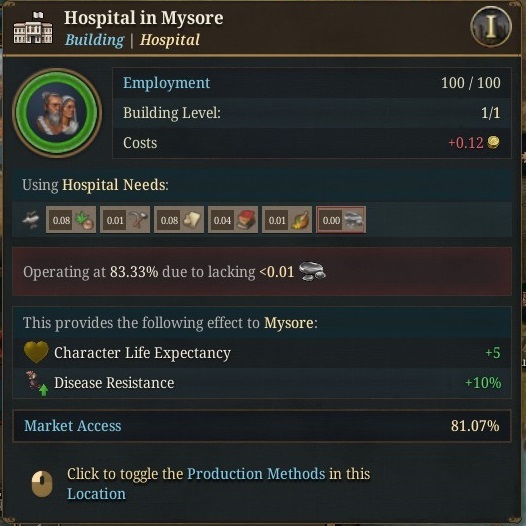
This Hospital is operating at 83.33% due to lack of mercury
Finally, the needs of your population cannot be ignored. Each pop group consumes different goods to maintain its satisfaction, the clergy may demand books and incense, the burghers may demand tea and fine cloth, and the nobility may demand weaponry and horses. Meeting these demands shapes markets and creates pressures you must navigate carefully.
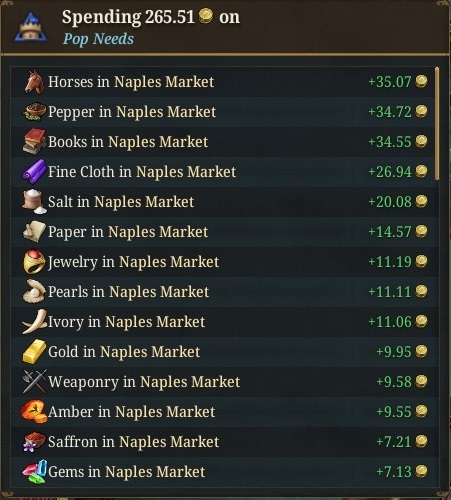
Goods Demands of the Nobility as Naples in 1580
In Europa Universalis V, buildings sit at the heart of a living economic cycle. Raw materials fuel construction, buildings drive production, and that production strengthens both your markets and your empire’s growth. Mastering this cycle is what allows you to transform ordinary locations into flourishing centers of power, prosperity, and development.
Markets
Europa Universalis V is the first title of the series with dynamic flow of goods between ever changing markets. Markets expand and retract based on their market attraction, goods flow dynamically from market to market depending on trade range and trades being done by nations with trade capacity in those markets.
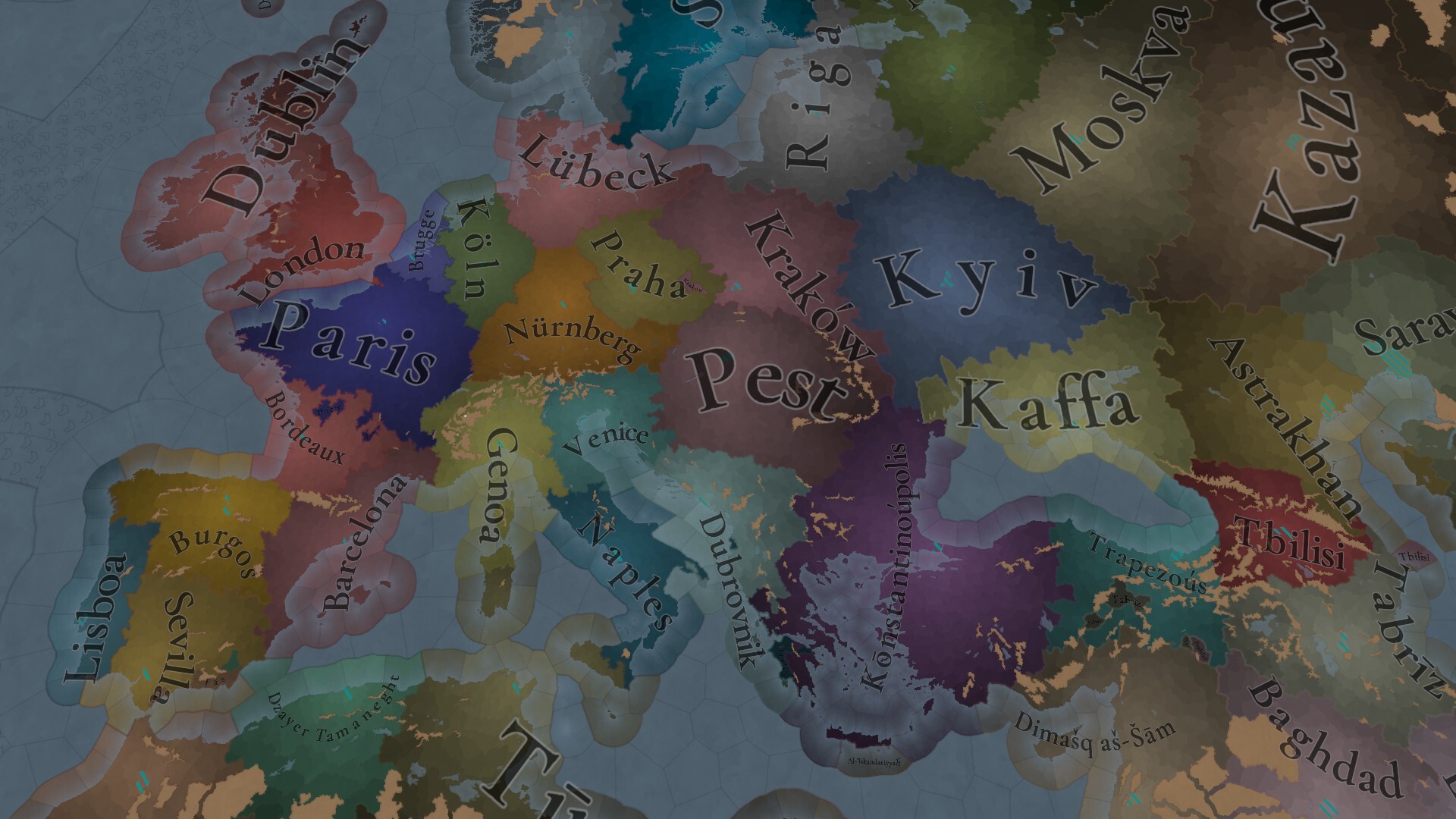 Markets Mapmode in 1337
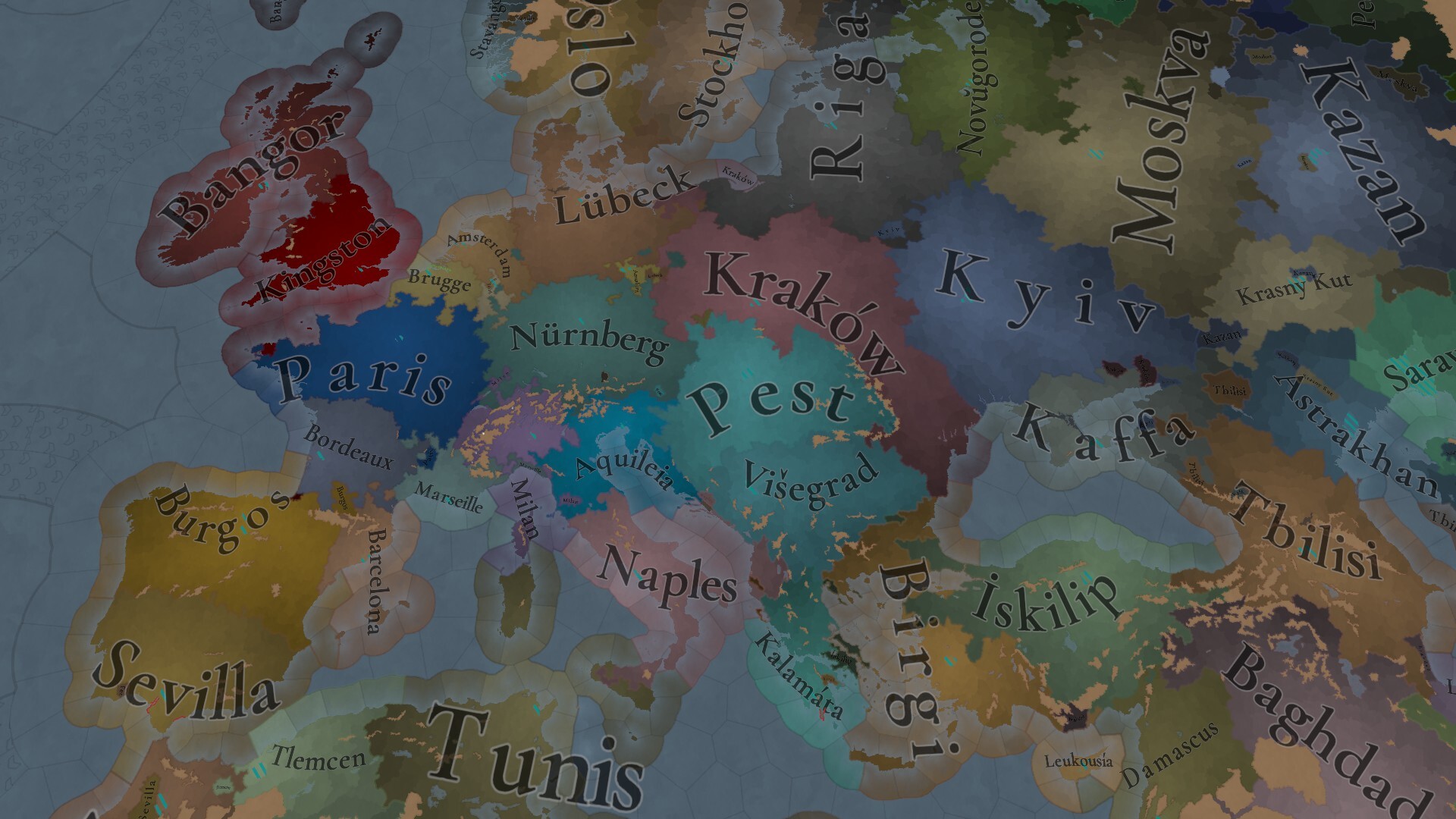 Market Map Modes in 1798 - Can you guess which nation was being played in this run?
Simply put, a market is where goods are bought and sold. Each market is anchored by a market center, located in a specific location, but its reach extends to other locations based on the Market Attraction and Market Protectionism of the market owner. The market owner is the nation that owns the market center, though ownership does not guarantee dominance. Weaker market owners can be outmaneuvered and dwarfed, and stronger rivals can often dictate the flow of trade.
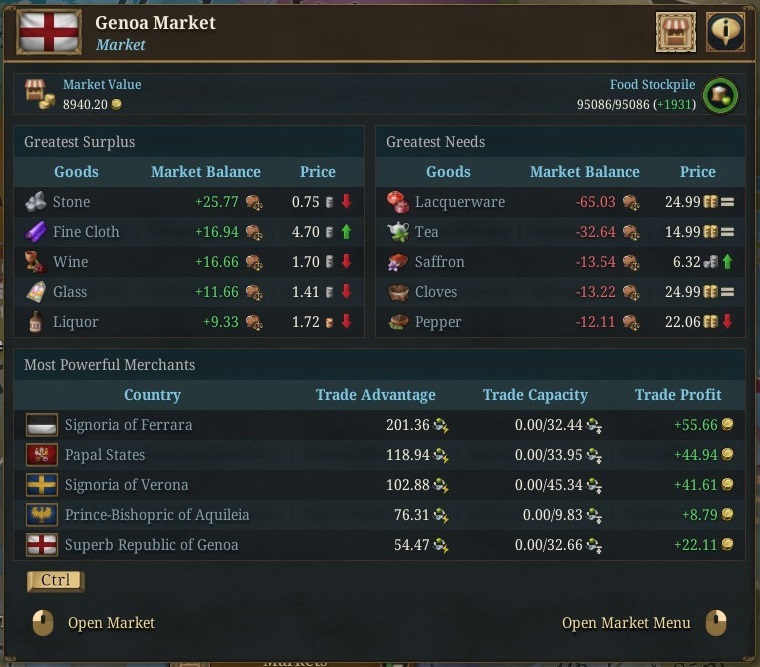
A Breakdown of the Genoa market mid campaign (late 1500s). Genoa is struggling to maintain control over their own market
Every market assigns a unique price to each good, anchored in the selling price set at the market center. This price is dictated by the balance of supply and demand: scarce goods under high demand can climb to as much as 500% of their base cost, while oversupplied goods with little demand may fall to –90% of their base cost.
Over time, prices adjust toward a target price — the predicted value based on shifts in supply and demand within that market. Because no two markets are identical, the same goods can carry vastly different values across regions.
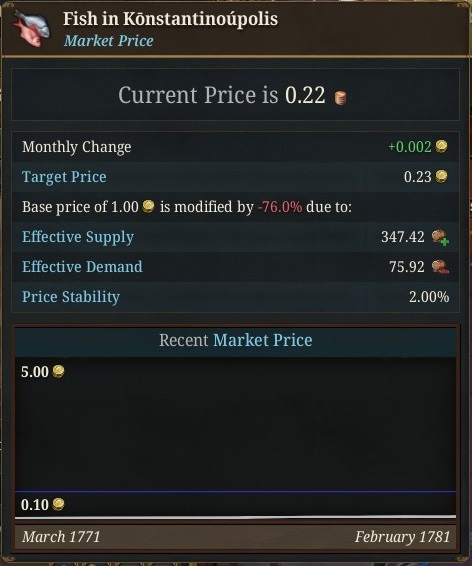
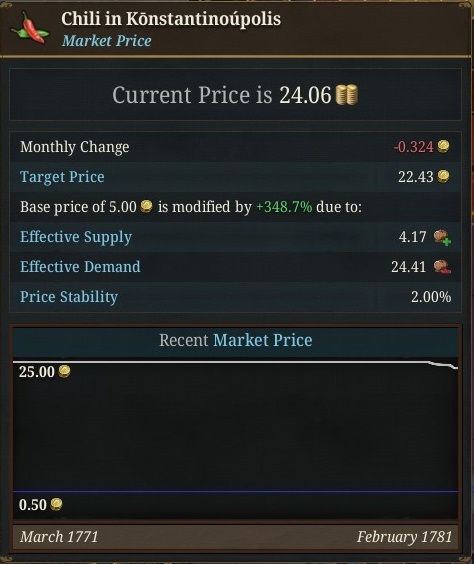
A huge difference between the price of Fish and the price of Chili in Constantinople in 1781
Market owners are not limited to their immediate sphere of influence — they can project their market outward, competing directly with rivals in what amounts to trade wars. At the heart of these struggles are two opposing forces:
- Market Attraction, which measures how strongly a market center can pull nearby locations into its orbit.
- Market Protection, which shields Locations from being absorbed into competing markets.
When two markets collide, Attraction and Protection are set against each other in a tug-of-war. The outcome decides which market ultimately claims control over contested Locations, redrawing the boundaries of economic influence.
If neglected, a market can quickly be overshadowed or absorbed by a competing market, diminishing its size and reach.
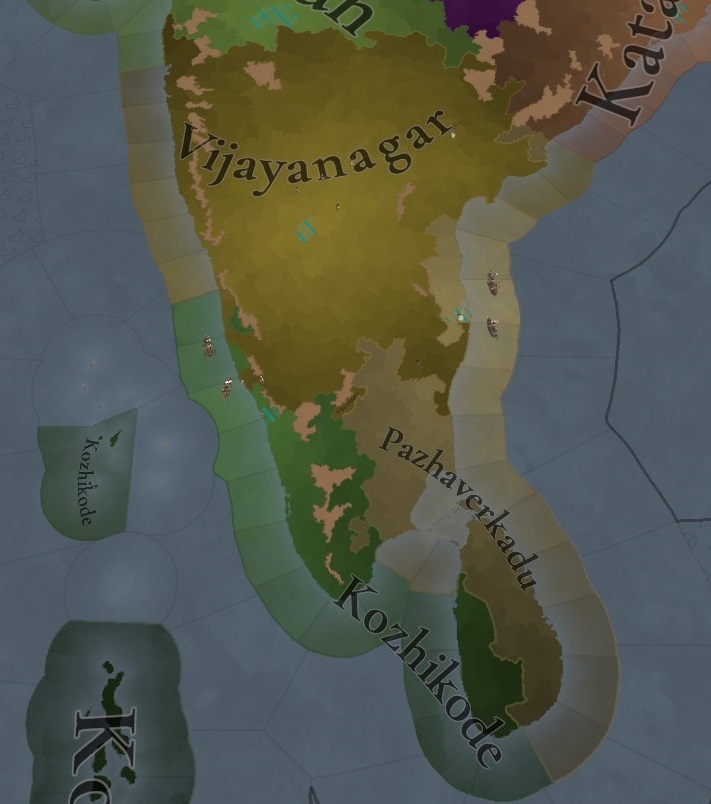
The Vijayanagar market is dominating its neighboring markets of Kozhikode and Pazhaverkadu - 1493
From the Age of Reformation onward, market influence gains a new layer of complexity through Mercantilism vs. Free Trade values. Moving towards Mercantilism strengthens market protection but reduces trade efficiency, while moving towards Free Trade enhances trade efficiency at the expense of trade protection. The balance between these approaches shifts from campaign to campaign, shaping not just your economy, but the way your entire game unfolds in Europa Universalis V.
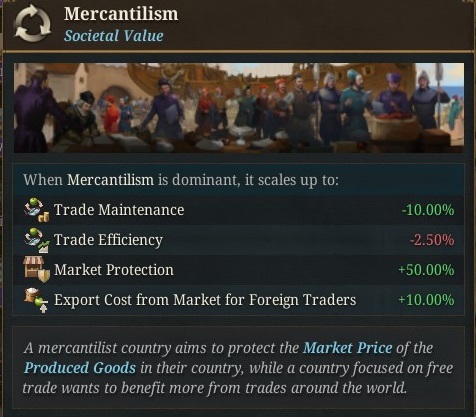
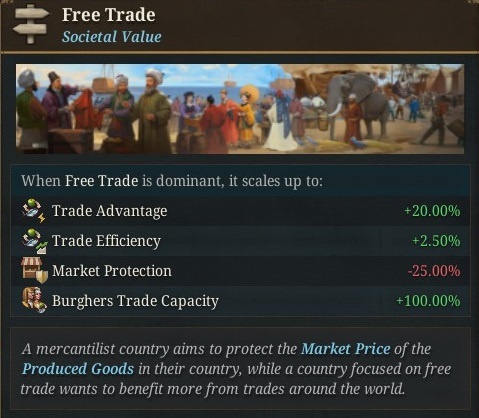
Mercantilism vs Free Trade values
You might assume that consolidating everything into one large market is always the optimal strategy in EU5. However, markets that cover vast areas are hindered by the Market Access mechanic. The further a location is from its market center, the less access it will have, which directly reduces the goods available, lowers output, and diminishes the local tax base. In extreme cases, a location with 0% market access will be completely cut off from the market’s goods. It should be mentioned that RGO output does not get impacted by market access unlike buildings that will.
Fortunately, there are several ways to improve access. Constructing roads, relocating your market center, or even establishing entirely new markets can all help ensure your realm’s economy remains connected and prosperous
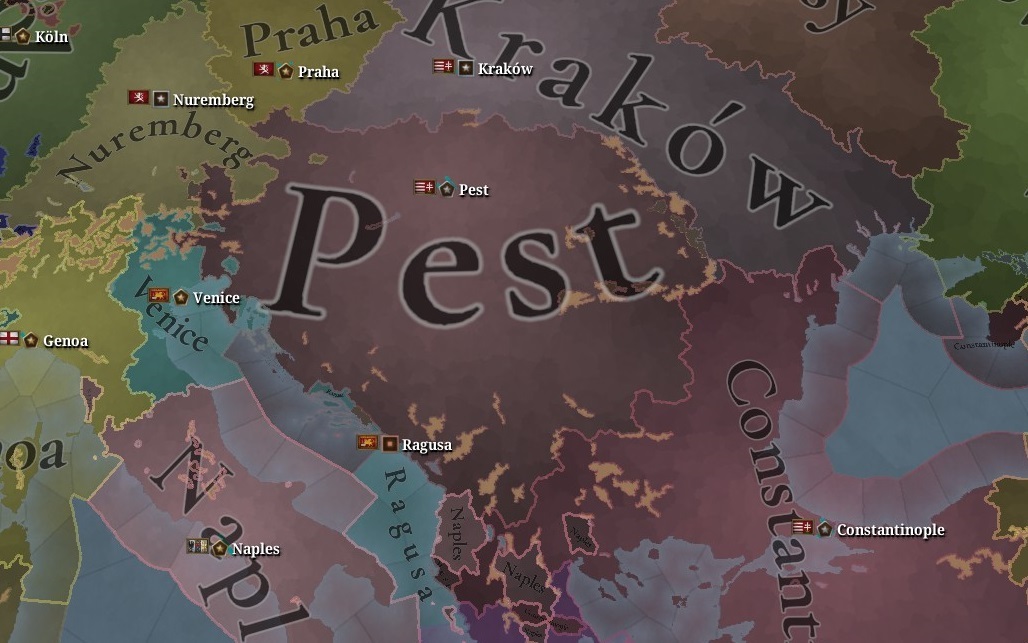 Locations with lower market access are shaded darker in the market mapmode
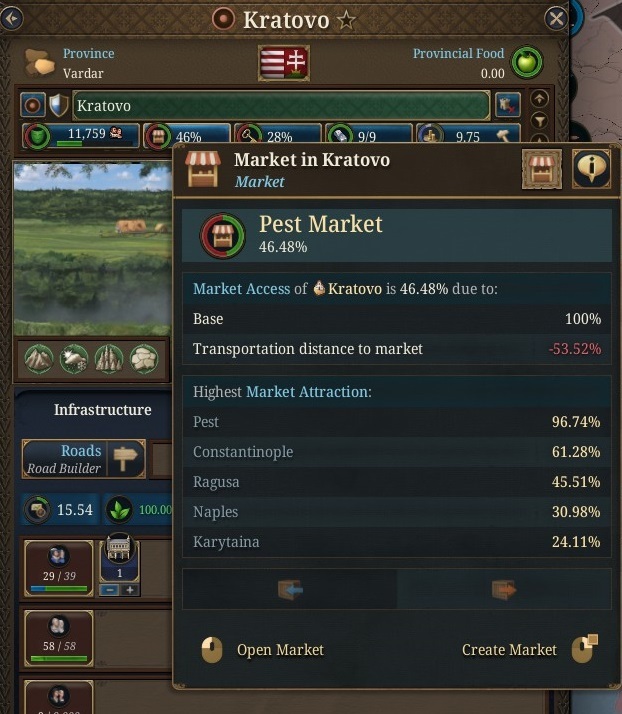
A location’s market access can be found in the location screen, showing the transportation distance to the market center
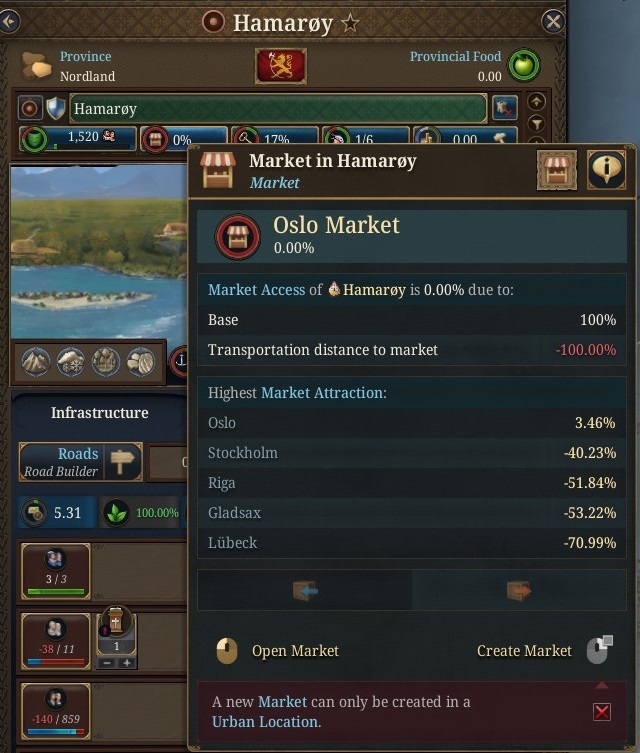
The location of Hamarøy struggles due to having 0 market access to the Oslo market
Deciding whether to create new markets, dismantle old ones, or relocate existing market centers is a key strategic choice. Shifting a market center to a province with better reach, superior harbor capacity, or deeper access to inland trade routes can greatly strengthen your nation’s position.
Alternatively, emerging powers may establish entirely new markets to seize control over the flow of goods — a decisive step that can form the foundation of a thriving and independent economy.
Trade
Simply put, trade is the movement of goods between markets. Goods are purchased in one market and sold in another, either to generate profit or to alleviate shortages by supplying a destination market with resources it otherwise struggles to access.
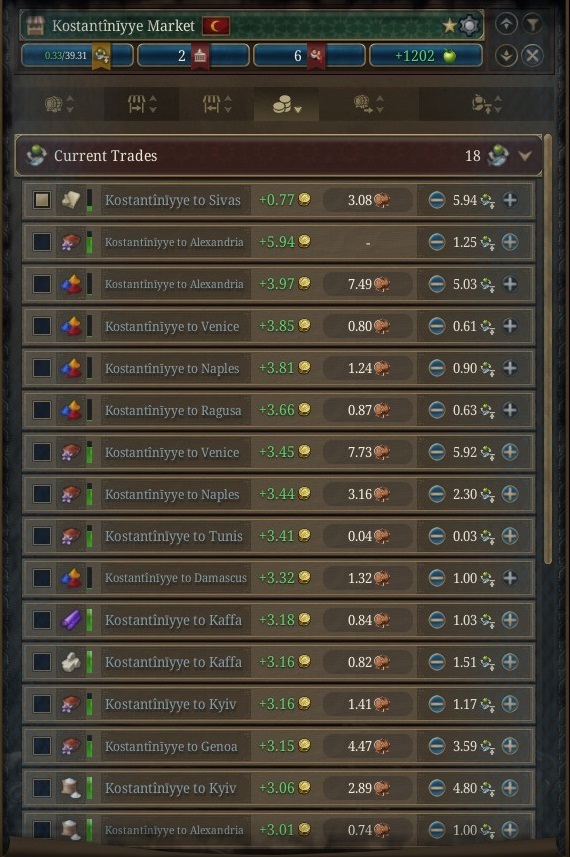
A list of active trades out of the Konstatinyye market as Ottomans in 1419
Trade profit in Europa Universalis V is determined by the price gap between markets: the difference between what a good sells for in the exporting market and what it can fetch in the importing one. From this margin, the maintenance costs of conducting the trade are subtracted. Distance between the two markets, along with any tolls encountered along the route, will steadily erode profits. Making efficient routes and favorable conditions essential for a thriving trade network.
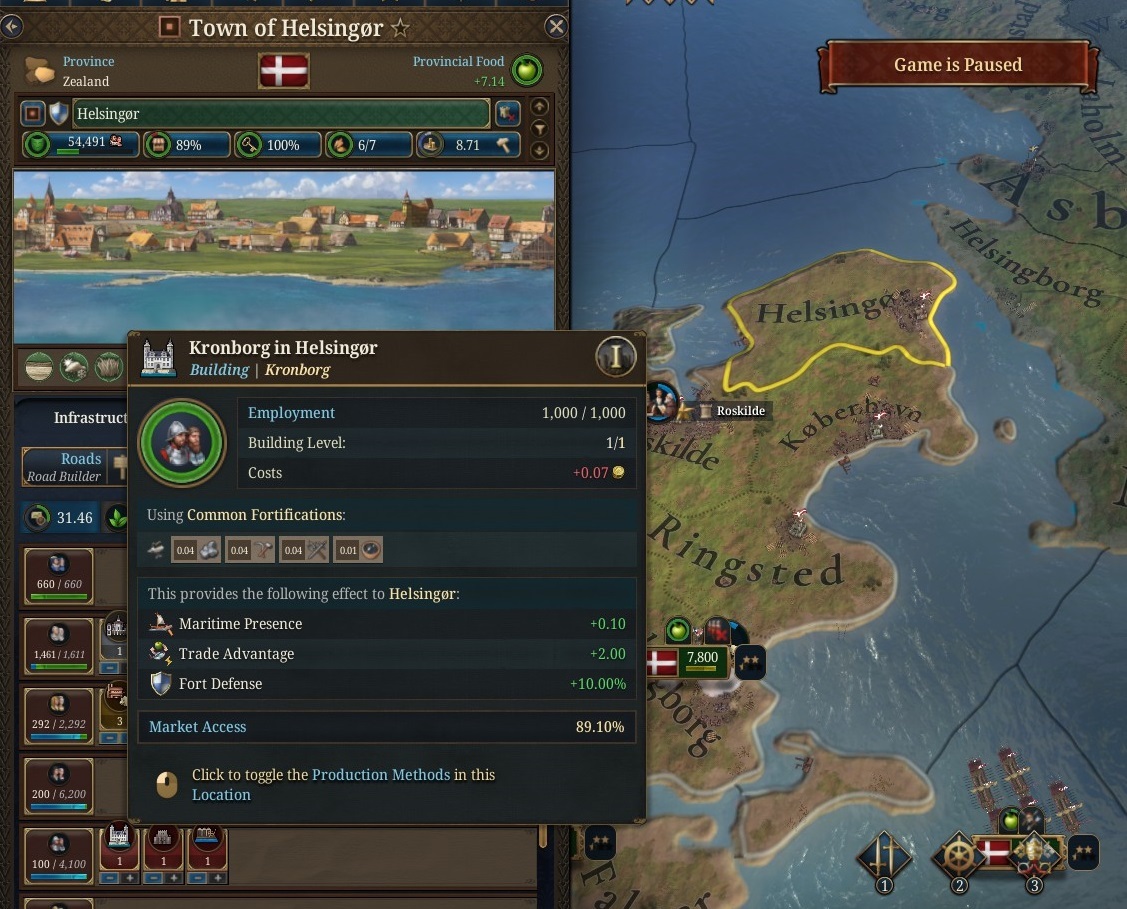 The Kronborg Castle acts as a Sound Toll, taxing all trade that flows through Øresund
As mentioned earlier in this developer diary, not all raw materials are naturally extractable or produceable in every market. Not every market will have gold, silver, copper, mercury or gems. Not every market will be able to produce Lacquerware or Porcelain. Trade will be the only tool at your disposal to relieve the demands of the goods you do not have access to. Without trade, many of your buildings and pops will suffer. Weighing whether it's worth bringing in access to goods, even if it's at a loss, is another strategic decision to be made while playing Europa Universalis 5. A decision you may see yourself doing more than not.
Within any active market, every nation with influence competes for the most favorable trades through their trade advantage. Nations with the highest trade advantage secure first access to goods to export out of the market, while those with little trade advantage are left with the scraps. Trade advantage can be increased by investing in buildings like Marketplaces, strengthening maritime presence, or controlling more Locations within the market.
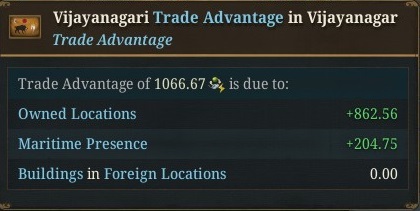
Trade Advantage of Vijayanagar in the Vijayanagar Market 1580
Once established in a market, nations can engage in trade according to their trade capacity, representing the volume of goods they are able to import and export. More trade capacity, the more trades in and out of a given market. This can be increased with buildings, advances, and estate privileges.
 Trade Capacity in the same market
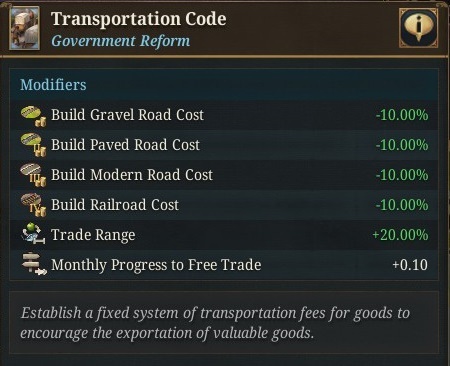
Not all markets are accessible, whether a market can trade from one market to another is determined by Trade range. Trade range is the maximum distance at which a country can conduct trade between two markets, calculated from their respective market centers. As long as a market has trade capacity, it will be able to trade with all markets within its trade range. Trade range can be increased through Advances, laws, estate privileges and government reforms.
Transportation Code Government Reform, one of the many ways to increase trade range
In Europa Universalis V, trade is not conducted solely by nations. The Burgher class also engages in independent trade, moving goods to alleviate shortages within their own Locations. The scale of this activity grows with the size of your Burgher population and can be further expanded through the estate privilege Burgher Trade Monopolies. However, granting this privilege comes at a cost, as it reduces your nation’s own trade capacity in exchange for greater Burgher-driven commerce.
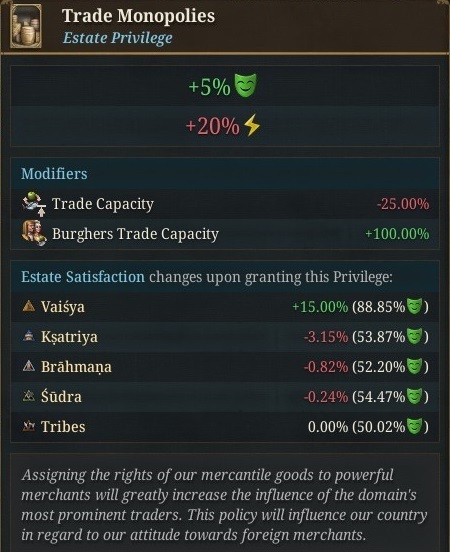
Trade Monopolies estate privilege increases burgher trades at the cost of nation wide trace capacity
The economic systems of Europa Universalis V are designed to be dynamic, interconnected, and deeply strategic. From the resources extracted by laborers and shaped by geography, to the buildings that transform locations into centers of prosperity, and the markets that bind nations together in trade and rivalry, every decision you make influences the flow of goods and the fortunes of your people. Mastering the balance between production, markets, and trade is not just about wealth – it is about power, influence, and the ability to shape the ambitious destiny of your empire.
Now, Enjoy a comic from our good friend chapel on the topic of the Economy!

As well a link to the accompanying feature video!
That's all for today! Don't Forget you can Pre-Purchase Europa Universals V now:
You can of course follow us on social media for all your Europa Universals News, Documentaries, Announcements and other fun stuff!